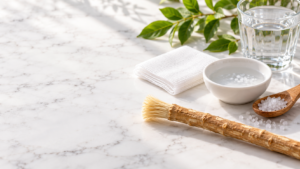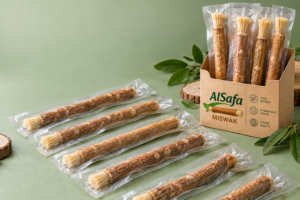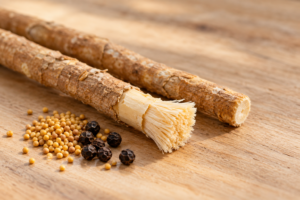
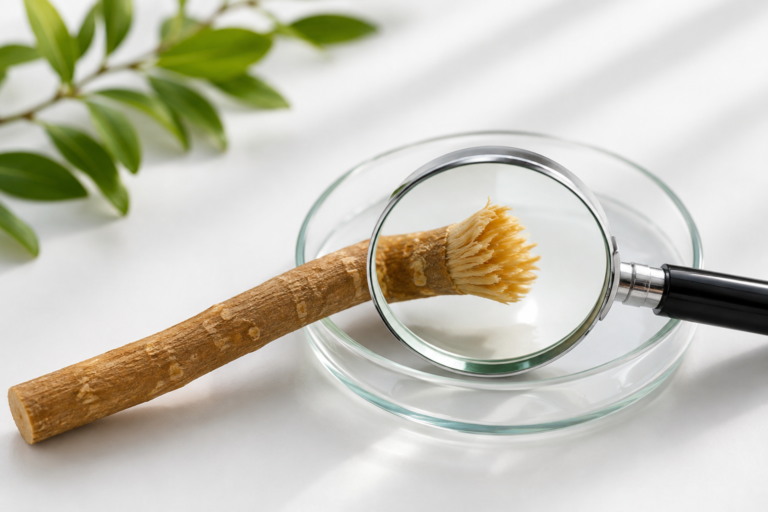
Here’s a fair question, and one that deserves a straight answer: how does a piece of tree root compete with a plastic brush and a tube of fluoride paste?
It sounds like the kind of thing that should fall apart the moment anyone tests it properly. Except it hasn’t. Researchers have been running miswak through randomized controlled trials, lab assays, and meta-analyses for the better part of forty years — and the results are more interesting than either side of the argument usually admits.
This post walks through what the evidence actually shows. No romanticizing the tradition, and no dismissing it either. Just the findings, the mechanisms behind them, and the parts where the science is still thin.
The Short Answer
Yes, miswak works. Multiple meta-analyses have found it performs comparably to a standard toothbrush for reducing plaque and gingivitis, and it appears to work best when used alongside brushing rather than as a straight replacement. Its edge comes from doing two jobs at once: scrubbing mechanically while releasing antibacterial compounds into the mouth. The catch is that results depend heavily on the freshness of the stick and the technique of the user.
If that’s all you came for, you’re covered. If you want to know why — keep reading, because the mechanism is genuinely clever.
Two Tools in One Stick
This is the part most articles skip, and it’s the single most important thing to understand about miswak.
A toothbrush does one job: it moves bristles across your teeth and physically disturbs plaque. Everything else — fluoride, antibacterial action, foaming — comes from the toothpaste you add to it. Two separate products, two separate functions.
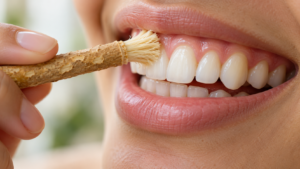
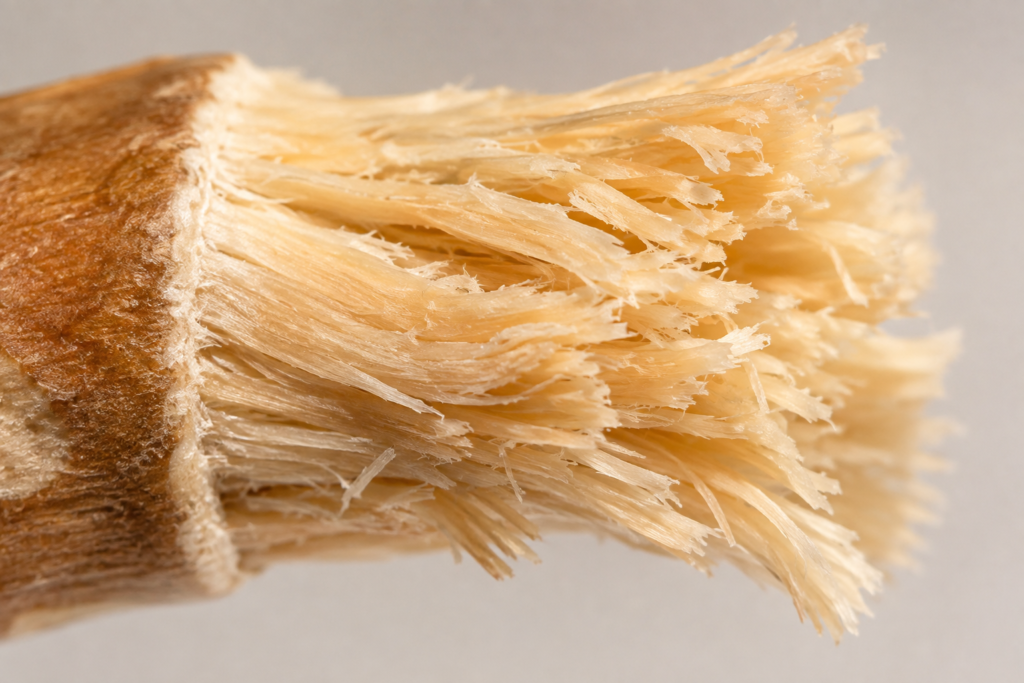
Miswak does both at the same time. The frayed fibers act as bristles, sweeping plaque off the enamel surface. Simultaneously, chewing and brushing releases the wood’s natural chemistry directly into your saliva, where it goes to work on bacteria. Researchers describe this as miswak’s dual mechanical-and-pharmacological action, and it’s the reason a twig holds its own against a manufactured product.
There’s a third effect that rarely gets mentioned: the chewing itself. Working a miswak stimulates saliva flow, and saliva is your mouth’s own buffering system — it dilutes acid, washes away food debris, and helps enamel repair itself between meals. Some research suggests miswak use raises the pH of dental plaque, making the mouth a less comfortable place for decay-causing bacteria to live.
What’s Actually Inside the Wood
Chemical analysis of Salvadora persica has been done repeatedly, and the profile is consistently impressive. Here’s what matters and why:
| Compound | What the research says it does |
| Benzyl isothiocyanate (BITC) | The heavyweight. Studies identify it as the main antibacterial agent in Salvadora persica root, and it kills gram-negative bacteria fast — including the species linked to gum disease. |
| Silica | A mild natural abrasive. It’s what physically lifts stains and film off enamel, similar to the polishing agents in toothpaste. |
| Fluoride | Present naturally in the wood. Supports enamel remineralisation and adds an anti-decay effect. |
| Tannins | Astringent. They tighten gum tissue and appear to slow down the enzymes that help plaque form. |
| Saponins | Nature’s detergent. They create a light foaming, cleansing action as you brush. |
| Sulfur compounds | Responsible for that sharp taste — and part of the antibacterial punch. |
| Trimethylamine & alkaloids | Linked to a mild antibacterial effect and healthier gum tissue. |
| Vitamin C | Supports the repair of gum tissue and helps reduce bleeding gums. |
Benzyl isothiocyanate deserves a moment of its own. In a 2011 study, researchers isolated it from miswak root and tested it against a panel of bacteria — it wiped out gram-negative species rapidly, including two of the organisms most strongly tied to periodontal disease, while leaving gram-positive bacteria largely alone. Electron microscopy showed visible damage to the bacterial cell envelope. That’s not folklore. That’s a photographed mechanism.
If you’d like the fuller nutritional breakdown of what miswak contains, our miswak benefits page lays it out compound by compound.
What the Clinical Trials Found
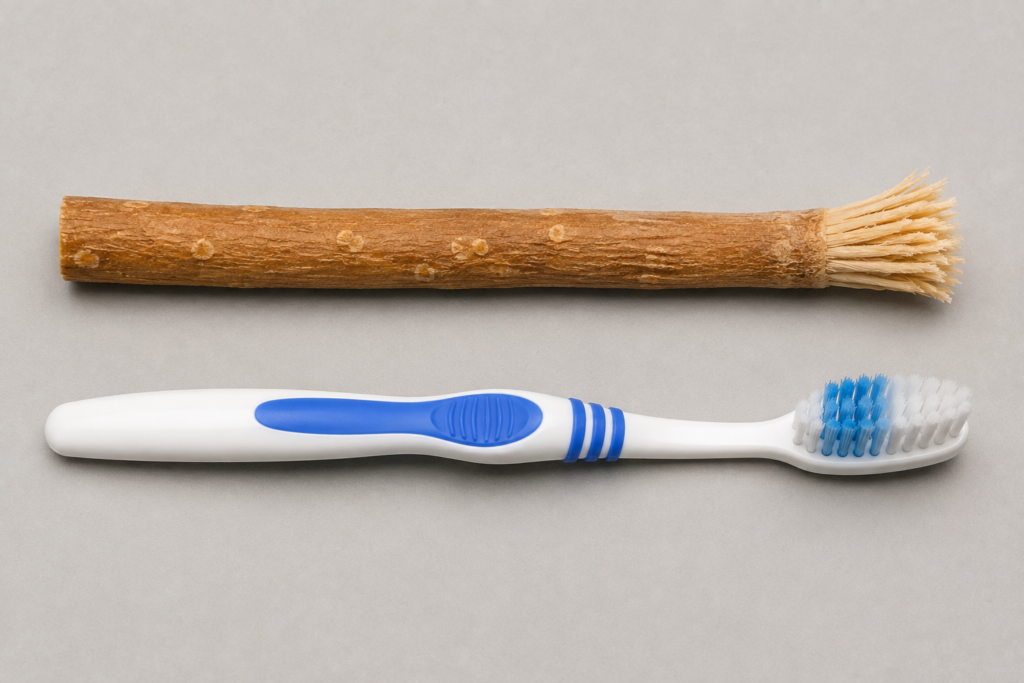
Plaque and gingivitis: essentially a tie: The most useful evidence comes from meta-analyses, which pool results across multiple trials instead of relying on any single study. A 2022 systematic review and meta-analysis examined randomised controlled trials on miswak and reported that it was comparable to a standard toothbrush for reducing both plaque scores and gingivitis scores. Interestingly, the certainty of evidence was strongest for the front teeth — the surfaces a miswak reaches most easily.
An earlier meta-analysis comparing miswak chewing sticks with standard toothbrushes for anti-plaque and anti-gingivitis effects reached broadly the same conclusion: no clear winner.
Bacterial load: a measurable drop
A 2025 systematic review pooled ten studies covering more than 440 participants and concluded that miswak use produces a meaningful reduction in cariogenic bacteria — the specific microbes responsible for tooth decay — and in plaque accumulation. Lab work backs this up: extracts and even the volatile compounds released from fresh miswak root show real antibacterial activity against common oral pathogens.
The finding people miss: it’s better as an addition
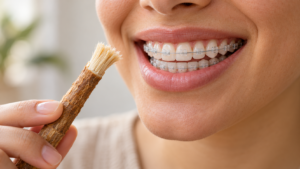
This is the most practically useful result in the entire literature. Across the reviews, miswak’s strongest measured effect shows up when it’s used alongside regular toothbrushing rather than instead of it. Brush at night and carry a miswak for the middle of the day, and you’re stacking two different cleaning mechanisms instead of choosing between them.
We’ve compared the two tools head-to-head in more depth in our post on miswak vs toothbrush, and looked at the paste side of the equation in miswak vs. toothpaste.
Where the Science Is Honest About Its Limits
Any article that only lists the wins isn’t reporting research — it’s marketing. So here are the caveats the reviewers themselves raised.
- Studies are usually short. Many trials run for two to six weeks. That’s fine for measuring plaque, but far too short to tell you what twenty years of daily use does to enamel.
- Technique is rarely documented. Reviewers repeatedly note that studies fail to record how participants used the stick or how often. Since technique is the single biggest variable, that’s a real weakness in the data.
- Gum recession is a genuine open question. A 2025 systematic review found that several studies reported higher rates of gum recession among miswak users than toothbrush users — with the risk tied to frequency, technique, fibre texture, and age rather than the wood itself. We covered this and the other precautions in our post on miswak stick side effects.
- Sample sizes are modest. Most trials involve dozens of participants, not thousands. Directionally useful, but not the scale of evidence behind fluoride toothpaste.
- Not every stick is Salvadora persica. Lab results apply to the species tested. A random twig sold as miswak isn’t the same product the researchers studied — which is exactly why sourcing matters. Our guide to the types of miswak explains how the recognized varieties differ.
None of this cancels the positive findings. It just means miswak is a well-supported oral hygiene tool with room for better long-term research — which is a fairly ordinary thing to say about most oral care products.
So Why Does It Fail for Some People?
When someone tells you miswak did nothing for them, the reason is almost always one of these four:
- The stick was dead. A miswak that’s been sitting dry for months has lost most of its volatile compounds. You’re brushing with a plain piece of wood at that point. Freshness isn’t a detail — it’s the active ingredient. Our post on how humidity affects miswak quality gets into why storage conditions change the chemistry.
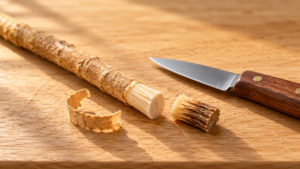
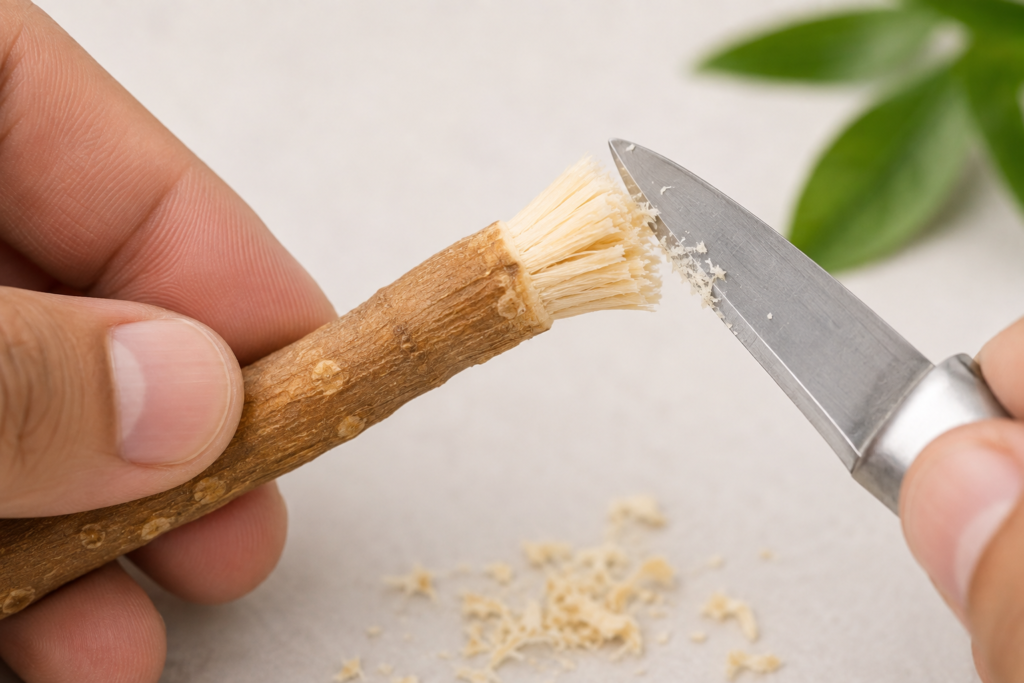
- They never trimmed the tip. The compounds sit in the fresh wood. Once a tip has been used for days, it’s spent. Cutting back to a clean layer is what re-activates the stick.
- The technique was wrong. Horizontal sawing damages gums and misses the surfaces that matter. Short vertical strokes, light pressure, angled away from the gum line — our step-by-step guide on how to use a miswak stick correctly covers the full method.
- The product wasn’t genuine. Unverified wood, chemically treated sticks, or the wrong tree species entirely. No amount of good technique fixes that.
How to Get the Results the Studies Got
If you want your daily routine to match the conditions in the trials, here’s the practical translation:
- Use a fresh, properly stored stick — moist enough that the fibers flex rather than snap.
- Trim the tip every day so you’re always brushing with active wood.
- Give each session three to five minutes, covering every surface, not just the front teeth.
- Use it twice a day minimum — the antibacterial effect is cumulative, not instant.
- Pair it with brushing rather than replacing it entirely, which is where the research shows the strongest effect.
- Be gentler if you have sensitive gums, and choose a softer, well-soaked stick.
Frequently Asked Questions
Is there real scientific evidence for miswak, or is it just tradition?
There’s real evidence. Randomized controlled trials, systematic reviews, meta-analyses, and laboratory antibacterial studies all exist, and the World Health Organization has encouraged the use of chewing sticks in populations where they’re already common. The tradition came first; the research caught up.
Does miswak whiten teeth?
It removes surface stains through the natural silica content and mechanical scrubbing, which makes teeth look noticeably brighter over time. That’s stain removal, not chemical bleaching — it won’t change your natural enamel shade.
Is miswak better than a toothbrush?
The pooled data says comparable, not better, for plaque and gingivitis. Its real advantages are convenience without water or paste and the built-in antibacterial chemistry. The best-supported approach is using both.
How long before I notice a difference?
Fresher breath is usually immediate. Measurable changes in plaque and gum health in the trials showed up across a two-to-four week window with consistent daily use.
Does the type of miswak affect how well it works?
Yes, significantly. Most of the clinical research is specifically on Salvadora persica (Arak). Other traditional varieties like Neem or Peelu have their own properties but a different chemical profile, so results won’t be identical.
The Verdict
Miswak is not a placebo with a good story attached. It’s a tool with a documented mechanism, measurable antibacterial activity, and clinical results that place it level with a modern toothbrush on the outcomes that matter most.
What it isn’t is magic. A dried-out stick used carelessly for thirty seconds will underperform, exactly as a worn toothbrush would. The science rewards the same three things it always does: a genuine product, correct technique, and consistency.
That first one is where sourcing decides everything. If you’re a distributor, retailer, or wholesale buyer looking for authentic Salvadora persica miswak — harvested from real Arak trees and processed to export-grade hygiene standards — take a look at our miswak product range or contact our team directly. Your customers get the version the researchers actually studied.