Miswak can help lighten fresh, surface-level stains from paan, gutka, and betel nut, especially if you use it soon after chewing and every day. But it can’t remove old, deep stains or the hard brown deposits that build up on teeth over years. Those need a professional cleaning at the dentist. Most importantly, miswak does nothing to reduce the serious health risks of these products, including oral cancer. The best thing for your teeth and your health is to cut down or stop.
If you or someone you know chews paan, gutka, chaalia, or naswar, you’ve probably noticed the red-brown marks they leave on teeth. Many people turn to miswak hoping it will scrub them away. This guide gives you an honest answer: where miswak helps, where it doesn’t, and what to do about the bigger picture.
Why Do Paan, Gutka, and Betel Nut Stain Teeth So Badly?
These products stain far more than tea or coffee, for a few reasons:
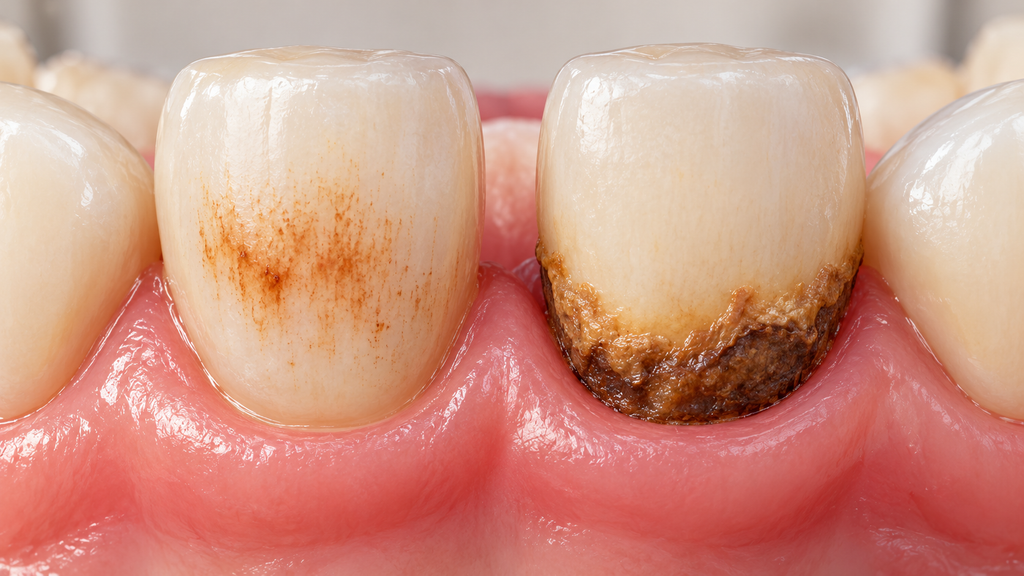
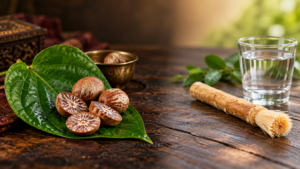
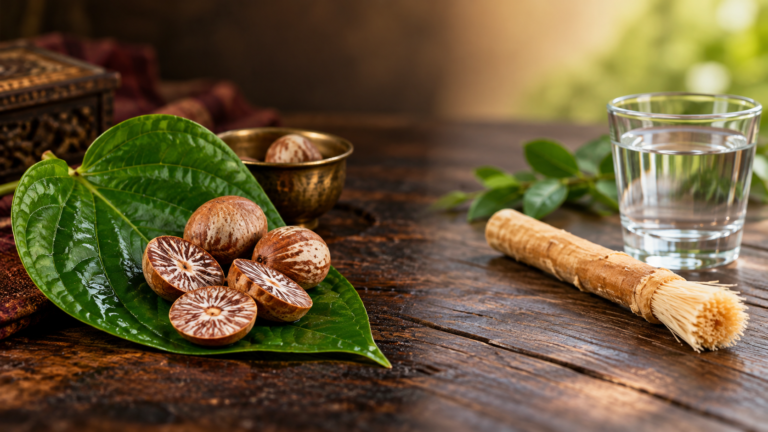
- Strong natural colors. Betel nut (also called areca nut or supari) and kattha, the red paste often used in paan, contain strong pigments that cling to teeth.
- Long contact time. People often keep paan or gutka in the mouth for a long time, so the color has hours to soak into the tooth surface.
- Lime paste. The slaked lime (chuna) used in paan can roughen the tooth surface, giving stains more places to settle.
- Build-up over time. With daily use, the stains mix with plaque and harden into thick brown or black deposits, especially near the gums and on the back of the front teeth.
That last point is why long-term users often find their teeth darker every year, no matter how much they brush.
What Can Miswak Do for Paan Stains?
Used regularly and correctly, miswak can help in a few real ways:
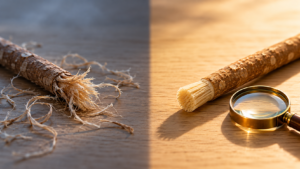
- Lift fresh surface stains. Miswak fibres contain natural abrasive particles that gently polish the outside of the teeth. Research shows miswak removes surface stains about as well as a soft toothbrush. You can read more in our summary of the research on miswak and stain removal.
- Stop stains from building up so fast. Cleaning soon after chewing removes residue before it has time to settle and harden.
- Clear plaque. Less plaque means less sticky surface for stains to grab on to.
- Freshen breath. Paan and gutka can leave a strong smell, and miswak helps freshen the mouth naturally.
The key is timing. The sooner you clean after chewing, the less staining you’ll get.
What Can’t Miswak Do?
This is just as important to understand:
- It can’t remove hard deposits. Once stains mix with plaque and harden into tartar, no stick or brush at home can remove them. Only a dentist can, with a professional scale and polish.
- It can’t reverse deep, long-term stains. Years of heavy use can leave colour that goes deeper than the surface. Miswak only works on the outside.
- It can’t undo damage to the gums or mouth lining. Long-term chewing can harm the gums and the soft tissue inside the cheeks.
- It can’t make these products safe. This is the big one, and it’s covered below.
Can Miswak Help With My Type of Stain?
Here’s a simple guide:
| Type of stain | Can miswak help? | What to do |
|---|---|---|
| Fresh red-brown marks from today’s paan | Yes, often | Rinse with water, then use miswak gently |
| Light staining built up over a few weeks | Partly | Use miswak daily and gently, and give it time |
| Hard brown or black deposits near the gums | No | Book a professional scale and polish |
| Dark stains after many years of gutka use | No | See a dentist for cleaning and advice |
| Stains with sore gums, patches or ulcers | No | See a dentist straight away |
How to Use Miswak After Paan or Gutka
If you do chew these products, this routine helps limit staining:
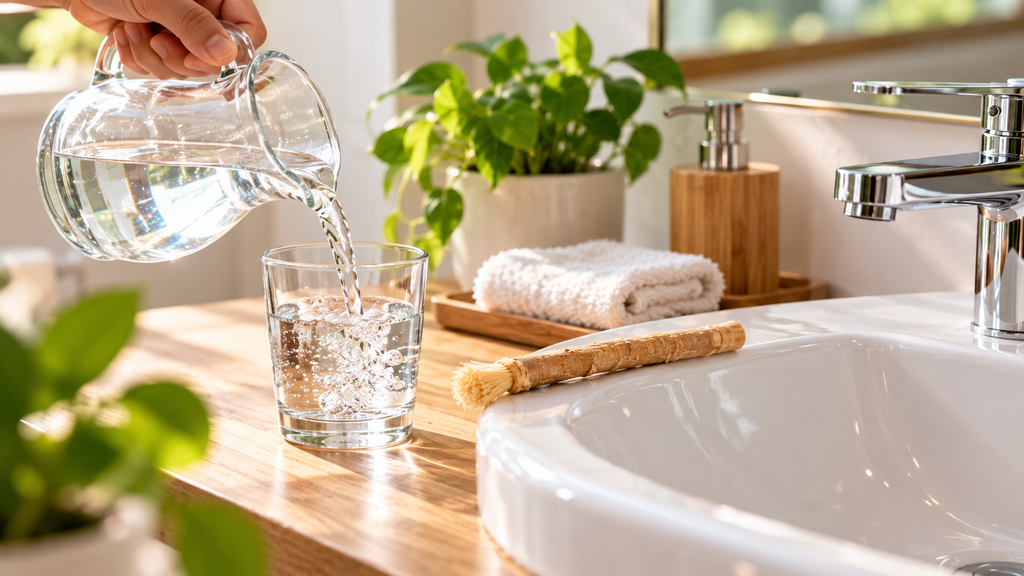
- Rinse your mouth well with water as soon as you finish chewing. Spit out all the residue.
- Soften your miswak tip in clean water if it’s dry.
- Brush gently, focusing on the gum line and the back of the front teeth, where stains build up most.
- Use light pressure. Scrubbing hard won’t remove stains faster. It only wears away your enamel and hurts your gums, which is one of the most common miswak mistakes.
- Keep brushing with fluoride toothpaste morning and night. It protects your teeth in ways miswak can’t. Here’s why miswak and toothpaste work best together.
For the full technique, see our simple guide to using miswak properly.
The Bigger Problem: Your Health
Stains are the part you can see. The more serious damage is often hidden.
Betel nut is addictive, and health authorities link it to oral cancer, especially when it’s mixed with tobacco, as in gutka. Long-term chewing is also linked to gum disease, mouth ulcers and a condition that slowly stiffens the inside of the mouth, making it hard to open wide.
Using miswak won’t protect you from any of this. Clean, white-looking teeth don’t mean a healthy mouth. That’s why the most helpful advice in this whole guide is simple: try to cut down, and if you can, stop.
Warning Signs You Should Never Ignore
See a dentist or doctor as soon as possible if you notice any of these:
- a red, white or dark patch inside your mouth
- an ulcer or sore that doesn’t heal within three weeks
- a lump in your mouth, cheek or neck
- difficulty opening your mouth fully
- pain, numbness or burning in your mouth
- trouble swallowing or chewing
These signs don’t always mean something serious, but they always need checking. Health services such as NSW Health list the signs of oral cancer linked to betel nut use, and regular dental check-ups help catch problems early.
Can Miswak Help You Cut Down?
It might help a little. For some people, part of the paan or gutka habit is simply having something in the mouth or in the hand. Chewing on a miswak gives you something to do instead, and it leaves your mouth feeling fresh rather than stained.
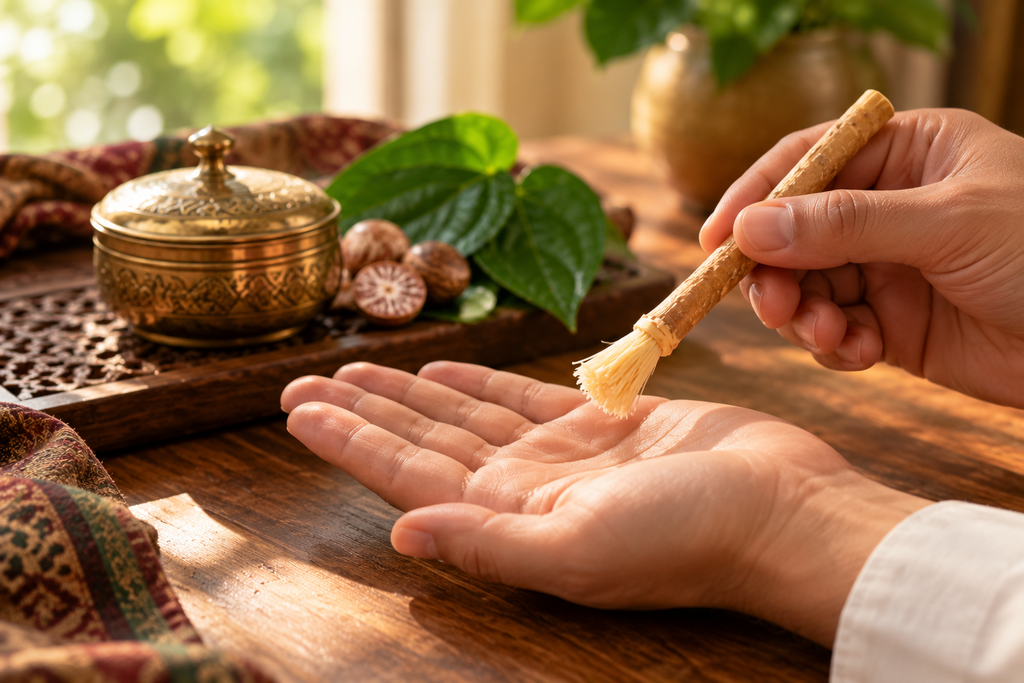
It’s not a cure for addiction, and it works best alongside real support. If you want to quit, talk to your doctor or a local quit service. But keeping a miswak in your pocket as a replacement habit is a small, healthy step many people find useful.
Miswak also helps keep harmful mouth bacteria in check, which supports healthier gums as you cut back. Here’s how miswak keeps mouth bacteria under control.
What Kind of Miswak Works Best?
A fresh, genuine Salvadora persica stick works best. Fresh sticks have softer fibres and stronger natural compounds, so they clean better without scratching. Old, dry sticks are harder on your gums and less effective. If you’re buying for yourself or your shop, here’s where to buy quality miswak sticks.
Frequently Asked Questions
Can miswak remove paan stains?
It can help lighten fresh, surface-level paan stains with regular use. It can’t remove old, hardened deposits, which need a professional clean at the dentist.
Does miswak remove gutka stains?
It can reduce light, fresh staining if you use it soon after chewing. Dark stains from years of gutka use usually need a dentist’s scale and polish.
How do I remove old betel nut stains from my teeth?
Old, hard stains and deposits need professional cleaning. A dentist can scale and polish your teeth and check your mouth for any other damage.
Is it safe to scrub hard to remove paan stains?
No. Hard scrubbing wears away enamel and damages your gums. Use gentle strokes and be patient, or see a dentist for stubborn stains.
Does using miswak make chewing paan safe?
No. Miswak may help with staining, but it doesn’t reduce the health risks of paan, gutka, or betel nut, including oral cancer.
Can miswak help me quit gutka?
It can help as a replacement habit, giving your hands and mouth something to do. For real support, speak to your doctor or a local quit service.
The Bottom Line
Miswak can help keep fresh paan, gutka and betel nut stains under control, especially if you rinse and clean soon after chewing. It can’t remove hardened deposits or deep, long-term stains, and it can’t protect you from the serious health risks of these products. For whiter teeth, see a dentist for a professional clean. For a healthier mouth, the best step is to cut down or stop, and to get any warning signs checked straight away.