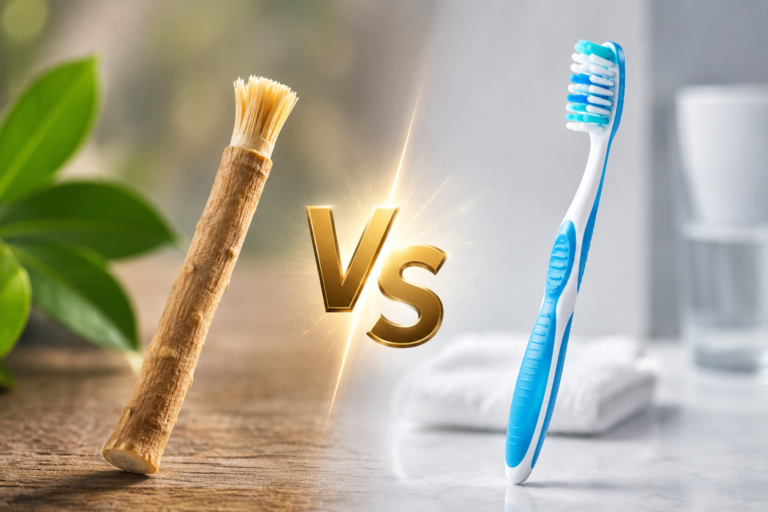
My grandfather never owned a toothbrush. Not once in his life. He kept his teeth until his eighties using nothing but a miswak stick, and he’d wave it at us grandkids like proof of something. Meanwhile, my dentist swears by soft-bristled brushes and two minutes twice a day.
So who’s right? Turns out this isn’t the one-sided debate either camp thinks it is. Researchers have actually put miswak head-to-head against the toothbrush in clinical studies, and the results surprise people on both sides. Let’s dig in.
First, What Are We Actually Comparing?
A toothbrush is a delivery tool. It does nothing on its own — the cleaning comes from toothpaste, technique, and mechanical scrubbing.
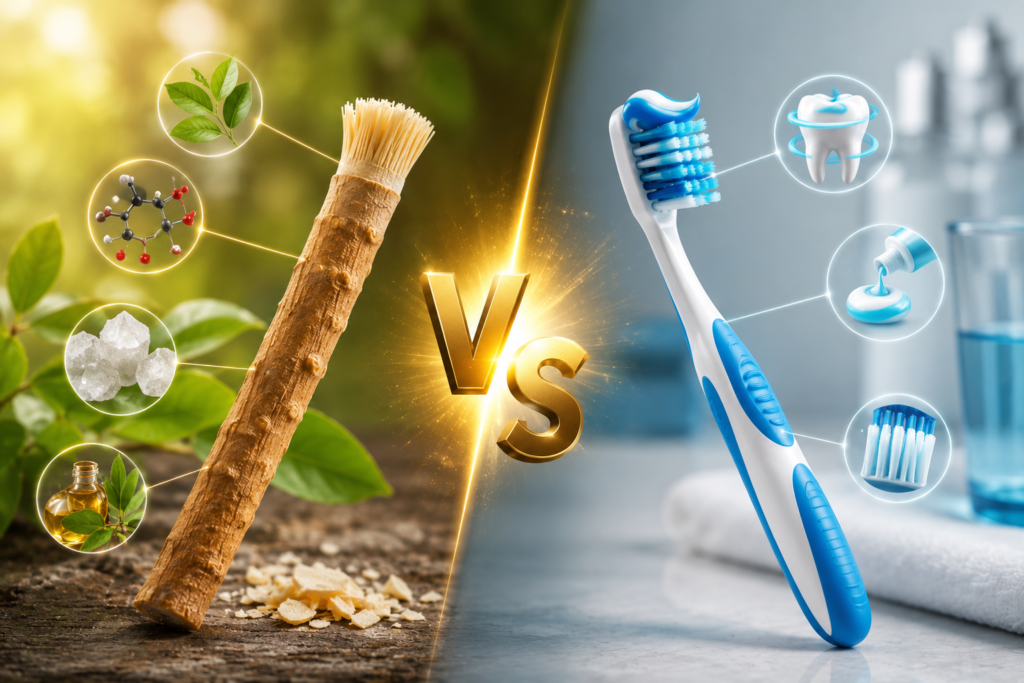
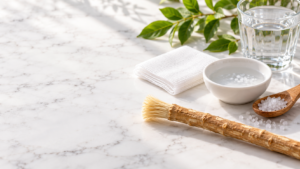
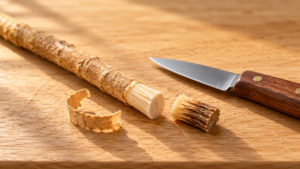
A miswak is different. It’s a twig, usually from the Salvadora persica tree, that works as a brush and toothpaste in one. Chew the tip, bristles form, and as you brush, the wood releases its own active compounds: silica for scrubbing, tannins that tighten gum tissue, natural fluoride, essential oils, and antibacterial agents that keep working in your mouth after you’ve finished. That built-in chemistry is the core of the whole debate — there’s a fuller breakdown of what miswak actually does inside your mouth if you want the details.
What the Research Says
Here’s the part that catches people off guard. The World Health Organization has recognized miswak as an effective oral hygiene tool, and several clinical trials have found that people using miswak properly showed plaque and gum health results equal to — and in some studies better than — people using a manual toothbrush.
Why would a twig beat engineered plastic? Two reasons keep showing up in the research:
Frequency. Miswak users tend to clean their teeth five, six, seven times a day. It’s in your pocket. No sink, no paste, no foam. A toothbrush user brushes twice if they’re disciplined.
Chemistry plus mechanics. The toothbrush only scrubs. The miswak scrubs and medicates at the same time, and its antibacterial compounds linger.
But before the miswak crowd declares victory — the same studies note the results depend heavily on technique. A miswak used lazily, or one that’s dried out, underperforms. And most of these trials compared miswak to manual brushing; electric toothbrushes are a tougher opponent.
Round-by-Round Comparison
Plaque removal: Roughly even with proper technique. Miswak edges ahead on the front and side surfaces; toothbrushes reach the back molars more easily. Call it a draw with an asterisk.
Gum health: Slight edge to miswak. The tannins and the gentle gum massage from chewing-stick bristles genuinely help. Several studies recorded less gum bleeding among miswak users.
Fresh breath: Miswak, comfortably. The essential oils in the wood keep working between uses, and the antibacterial action targets the bacteria that cause odor at the source rather than masking it with mint.
Convenience: Depends where you are. At home with a sink, the toothbrush wins. On a bus, at your desk, while traveling — the miswak wins by a mile. No water, no paste, no rinsing.
Cost: Miswak, easily. One stick costs a fraction of a decent brush plus a year of toothpaste, and there’s no plastic waste at the end of it.
Reaching every corner: Toothbrush. This is miswak’s honest weakness. The stick’s straight shape makes the inner surfaces of back teeth awkward to reach. It can be done, but it takes practice.
Fluoride dose: Toothbrush with fluoride toothpaste delivers a higher, more controlled dose. Miswak contains natural fluoride, but less of it.
The Technique Problem (For Both)
Here’s something both camps ignore: most people use their chosen tool badly.
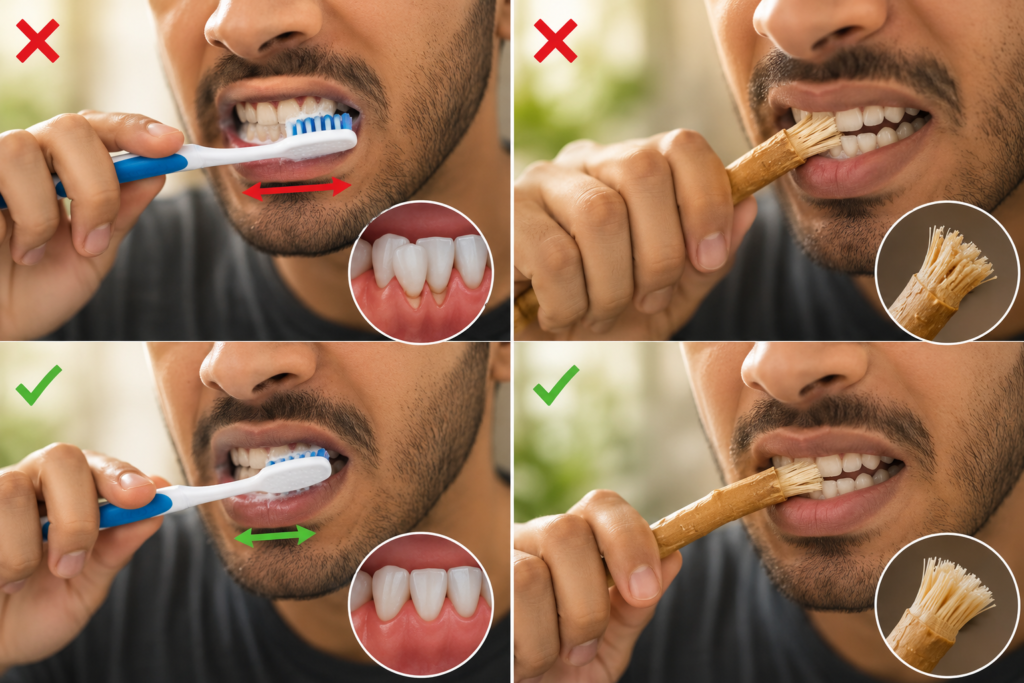
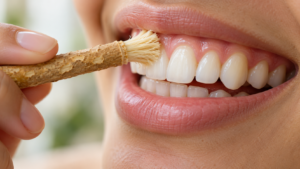
Toothbrush users see back and forth like they’re sanding a fence, wearing grooves into enamel and shredding gum lines. Miswak beginners chew the stick like a lollipop and never actually brush with it. The tool matters less than the hands holding it. If you’re picking up a stick for the first time, spend five minutes learning the proper way to brush with a miswak — it changes everything about the results you’ll get.
So Which Should You Choose?
Honestly? Most dentists who’ve studied both land on the same answer: why choose?
Brush with a fluoride toothpaste in the morning and at night. Use a miswak during the day — after lunch, after coffee, whenever your mouth feels stale. You get the toothbrush’s reach and fluoride dose plus the miswak’s frequency, gum benefits, and all-day antibacterial action. The two tools cover each other’s blind spots almost perfectly.
If you had to pick only one, for someone with good technique and a fresh miswak stick, miswak holds its own remarkably well — the WHO wouldn’t endorse it otherwise. For someone who wants a low-effort routine, the toothbrush is more forgiving.
One Last Thing About Quality
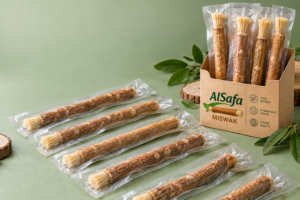
Every point in miswak’s favor assumes one thing: a fresh stick. A dried-out miswak that’s been sitting on a shelf for months loses its moisture, its flexibility, and much of its active chemistry. If you can’t find fresh ones locally, buy from a dedicated supplier that vacuum-seals at harvest — Al Safaa Miswak processes and ships export-quality sticks worldwide, and there’s a guide covering what to check before buying so you don’t end up with old stock.
Frequently Asked Questions
Can miswak fully replace a toothbrush? It can, and for millions of people it does — the WHO recognizes it as an effective standalone tool. But technique matters more with miswak, and combining both gives better results than either alone.
Is miswak safe for enamel? Yes, when used with the grain of the teeth. Its silica is a mild abrasive, gentler than many whitening toothpastes. Aggressive sideways scrubbing can wear enamel — but that’s equally true of a toothbrush.
How many times a day can I use miswak? As often as you like. Traditional practice is five or more times daily, and frequency is exactly why miswak performs so well in studies.
Does miswak whiten teeth? It helps remove surface stains gradually thanks to its natural silica. Don’t expect bleaching-level results, but many long-term users notice visibly cleaner, brighter teeth.
The Bottom Line
The toothbrush isn’t better than the miswak, and the miswak isn’t better than the toothbrush — they’re good at different things. The brush wins on reach and fluoride. The stick wins on frequency, gum health, breath, cost, and portability. Used together, they’re better than either one alone.
My grandfather, for what it’s worth, would have called this whole debate unnecessary. The proof was in his smile.