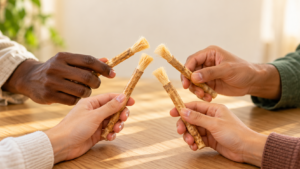
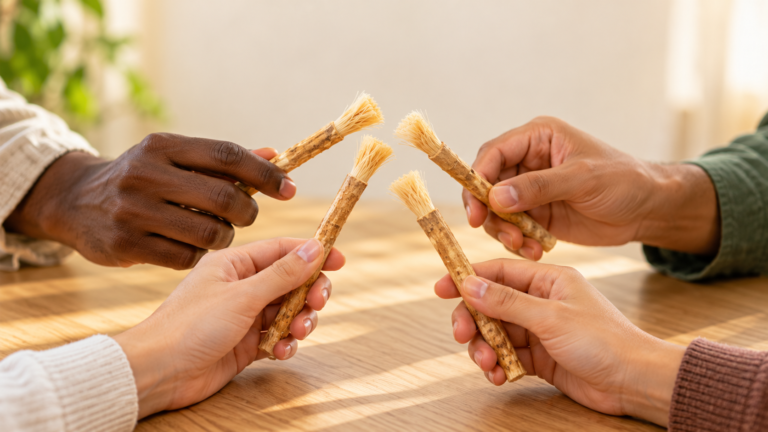
Yes, anyone can use miswak, whatever their religion or background. Miswak is a natural teeth-cleaning stick, not a religious object. It cleans teeth, fights mouth bacteria, and freshens breath in exactly the same way for everyone. Many Muslims are also happy to see others discover it, so using one isn’t disrespectful.
If you’ve seen miswak in a Muslim friend’s bag or on a shop shelf and wondered whether it’s “only for Muslims,” you’re not alone. It’s a fair question, because miswak is closely linked with Islam. But chewing sticks were around long before Islam, and today people from many faiths and cultures use them. This guide explains where miswak comes from, why anyone can use it, and how to get started.
What Is a Miswak?
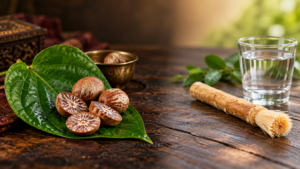
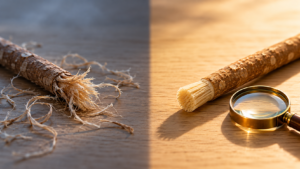
A miswak is a small stick cut from the Salvadora persica tree, also called the Arak tree. You peel back a little bark, chew the end until it turns into soft bristles, and use it to clean your teeth. It needs no toothpaste and no water, and it fits in a pocket.
The wood naturally contains compounds that help fight the bacteria behind plaque and bad breath. That’s why it has been used for oral care for so long. You can read more about what miswak is and how it’s used, or about the Arak tree it comes from.
Is Miswak a Religious Item?
Not in itself. Miswak is a cleaning tool, a bit like a toothbrush. What makes it special in Islam is the way it’s used, not the stick itself.
The Prophet Muhammad ﷺ encouraged Muslims to use miswak often, especially before prayer and after waking up. For many Muslims, using it is a Sunnah, a practice that follows the Prophet’s example, so it carries spiritual meaning as well as hygiene benefits. Our post on why Muslims use miswak tooth sticks explains this side in more detail.
For someone who isn’t Muslim, miswak is simply a natural way to clean your teeth. Using it doesn’t mean you’re taking part in a religious practice, and nobody expects you to.
Was Miswak Used Before Islam?
Yes. People have cleaned their teeth with chewing sticks for thousands of years. Researchers often describe miswak as a pre-Islamic custom that Islam later made part of daily life.
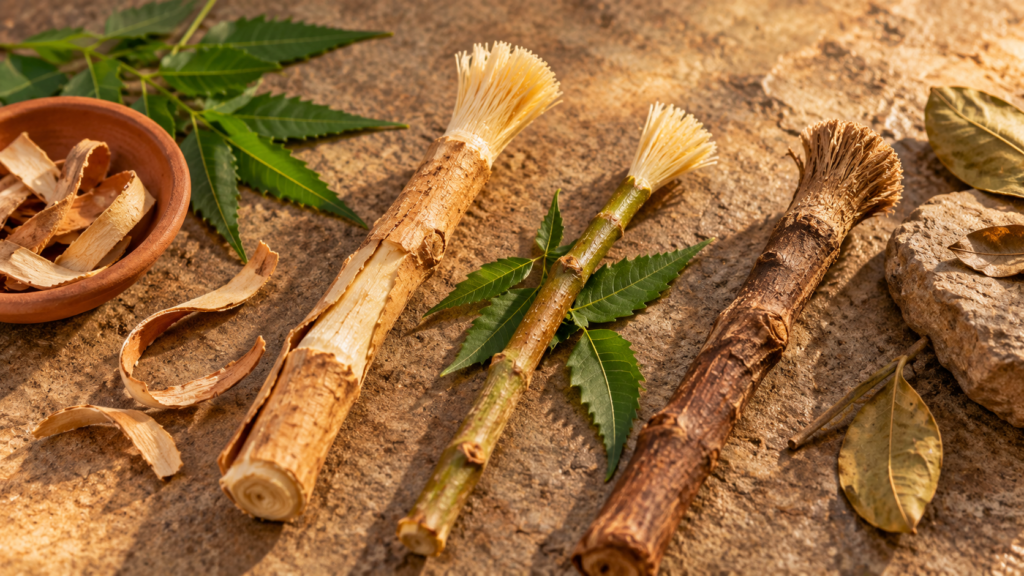
Here are a few examples of chewing-stick traditions from around the world:
- Ancient Mesopotamia and Egypt. Chewing sticks have been found in very old burial sites.
- India. Neem twigs, known as datun, have been used for centuries and are still common today.
- Africa. Many communities use chewing sticks from local trees, a habit passed down through generations.
- Arabia. Arak wood was already the favourite chewing stick in the region before Islam.
Islam then made the miswak a daily habit for millions of people and spread it across continents. The long history of miswak and chewing sticks shows just how widely it has been used.
Is It Disrespectful for a Non-Muslim to Use Miswak?
No. Most Muslims are pleased when others try miswak and enjoy its benefits. Sharing something good is valued in Islam, and miswak is seen as a gift for everyone’s health.
A few simple points of courtesy are worth keeping in mind, as they would be with anything that matters to another culture:
- Use it for what it is. Treat it as a teeth-cleaning tool, not a novelty or a joke.
- Ask if you’re curious. If a Muslim friend uses miswak, they’ll often be happy to show you how and explain why it matters to them.
- Keep it personal. Like a toothbrush, a miswak isn’t something to share.
That’s really all there is to it.
What Are the Benefits of Miswak for Anyone?
The benefits of miswak don’t depend on your faith. They come from the wood itself.
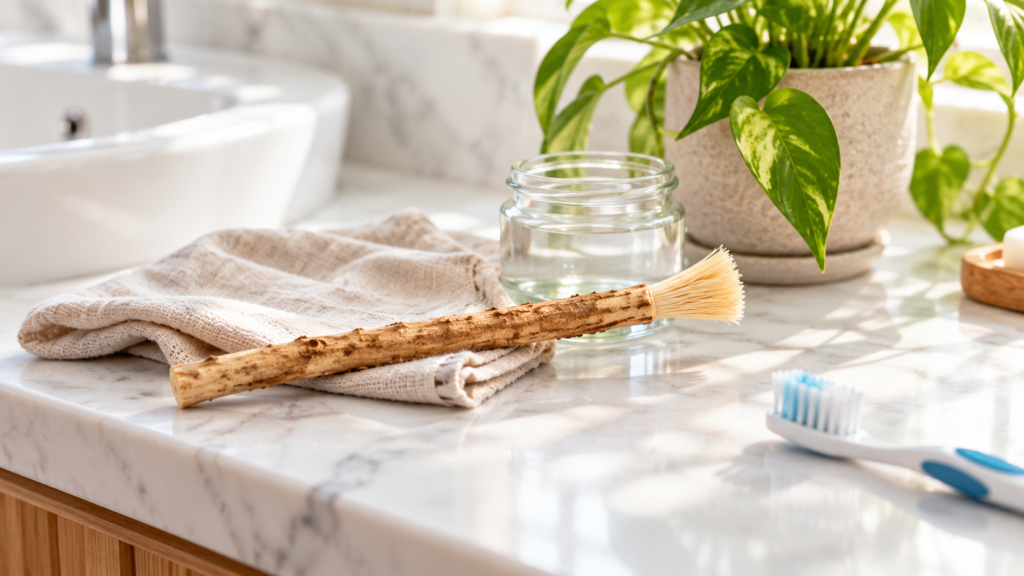
- It fights harmful bacteria. Natural compounds in fresh miswak work against the germs behind plaque, cavities, and gum problems. Here’s how miswak fights bacteria in the mouth.
- It freshens breath. It cleans away food and reduces the bacteria that cause bad smells.
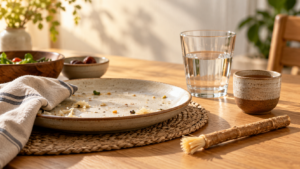
- It’s portable. No sink, water, or toothpaste is needed, so it’s handy at work, while travelling, or after meals.
- It’s natural. It’s just plant fibre, with no plastic, artificial flavors, or added chemicals.
- It’s eco-friendly. A miswak is fully biodegradable, unlike plastic toothbrushes.
- It’s vegan. It comes from a tree, so it contains no animal products.
The World Health Organization has also recognised miswak as an effective tool for oral hygiene. If you’re wondering how it compares with what you use now, here’s how miswak stacks up against a regular toothbrush.
Who Else Uses Miswak Today?
Miswak is no longer used only in Muslim communities. Today it’s also popular with:
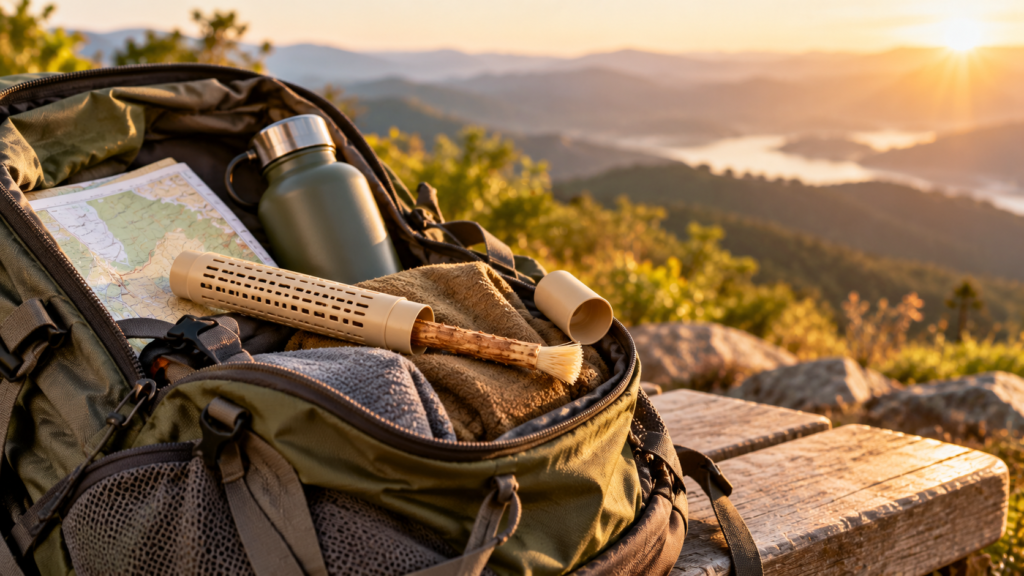
- People looking for natural or chemical-free oral care
- People trying to cut down on plastic and live a zero-waste lifestyle
- Travelers and hikers who want something light and simple
- People who enjoy traditional remedies from different cultures
- Shoppers in health food shops, organic stores, and eco-friendly brands
As interest in natural products grows, more and more shops are stocking miswak for a much wider range of customers.
How Should a Beginner Start Using Miswak?
Starting is easy. Here’s a simple routine:
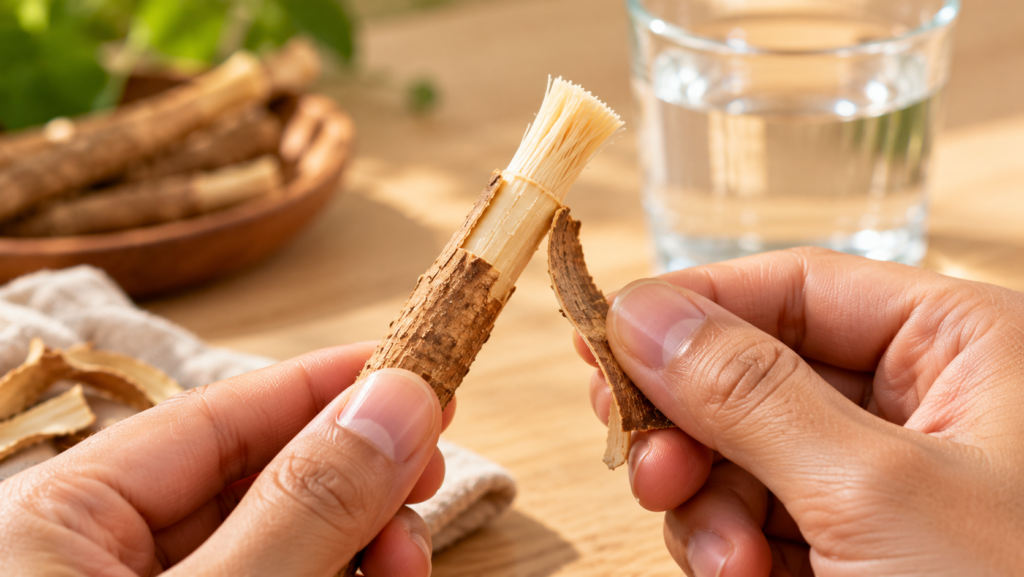
- Peel the bark. Remove about one centimetre of bark from one end.
- Soften the tip. Chew the exposed wood gently until it turns into soft bristles. If it’s dry, soak it in water first.
- Brush gently. Use short, light strokes, moving away from your gums.
- Clean all your teeth. Cover the front, back and chewing surfaces.
- Trim and store. Cut off the used bristles every day or two, rinse the stick and let it air-dry.
Our guide on how to cut and trim a miswak shows you how to keep the tip fresh. Don’t be surprised by the taste: a peppery, slightly bitter flavour is completely normal at first. Here’s why miswak tastes a little spicy and why that’s a good sign.
Most people use miswak alongside their normal toothbrush and fluoride toothpaste, not instead of them. That gives you the best of both.
Where Can You Buy Miswak?
You can usually find miswak in Islamic shops, Middle Eastern and South Asian grocery stores, health food shops, and online. Look for sticks that are fresh, slightly flexible, and sealed in clean packaging.
If you run a health food shop, an eco store, or a natural products brand, miswak can be a great addition to your range, because it appeals to customers of every background. Businesses can source genuine miswak tooth sticks in bulk for retail.
Frequently Asked Questions
Can a non-Muslim use miswak?
Yes. Miswak is a natural teeth-cleaning stick that anyone can use. It works the same way for everyone, whatever their religion.
Is miswak only for Muslims?
No. Miswak is especially important in Islam, but chewing sticks were used long before Islam and are used by many cultures today.
Is it offensive for non-Muslims to use miswak?
No. Most Muslims are happy to see others benefit from miswak. Just treat it respectfully as the oral care tool it is.
Do I have to follow any rules to use miswak?
No. Muslims may use it at certain times, such as before prayer, as part of their faith. If you’re not Muslim, you can simply use it whenever you want to clean your teeth.
Is miswak vegan?
Yes. Miswak is a natural stick from the Arak tree and contains no animal products.
Is miswak halal or kosher?
Miswak is simply plant wood, so it contains nothing that would raise concerns for most dietary or religious rules. If you follow specific religious guidelines, check with your own community or faith leader.
Can I use miswak instead of a toothbrush?
Many people do, but it works best alongside a toothbrush and fluoride toothpaste. A common routine is to brush morning and night and use miswak during the day.
The Bottom Line
Miswak isn’t only for Muslims. It’s a natural, eco-friendly teeth-cleaning stick that anyone can use. It has deep meaning in Islam, but it also has a history that goes back thousands of years and spans many cultures. If you’re curious, give it a try: peel the bark, soften the tip, brush gently, and enjoy one of the oldest oral care tools in the world.