Yes, you can use miswak after a tooth extraction, but not near the empty socket at first. For the first 24 hours, don’t clean the extraction area at all. After that, you can gently use miswak on your other teeth. Wait about a week, or until your dentist says it’s fine, before using it close to the healing spot.
The reason is simple. After a tooth comes out, a blood clot forms in the hole. That clot protects the bone and nerves underneath while your gum heals. Anything that disturbs it too early, including a miswak, can slow healing and cause a painful problem called dry socket.
This guide explains what to do day by day, how to use miswak safely while you heal, and which warning signs mean you should call your dentist. It’s general guidance, so always follow the aftercare advice your own dentist gives you.
Why Do You Need to Be Careful After an Extraction?
When a tooth is pulled, it leaves an open wound in your gum. Your body seals it with a blood clot within the first few hours. Over the next week or two, new gum tissue grows over the top.
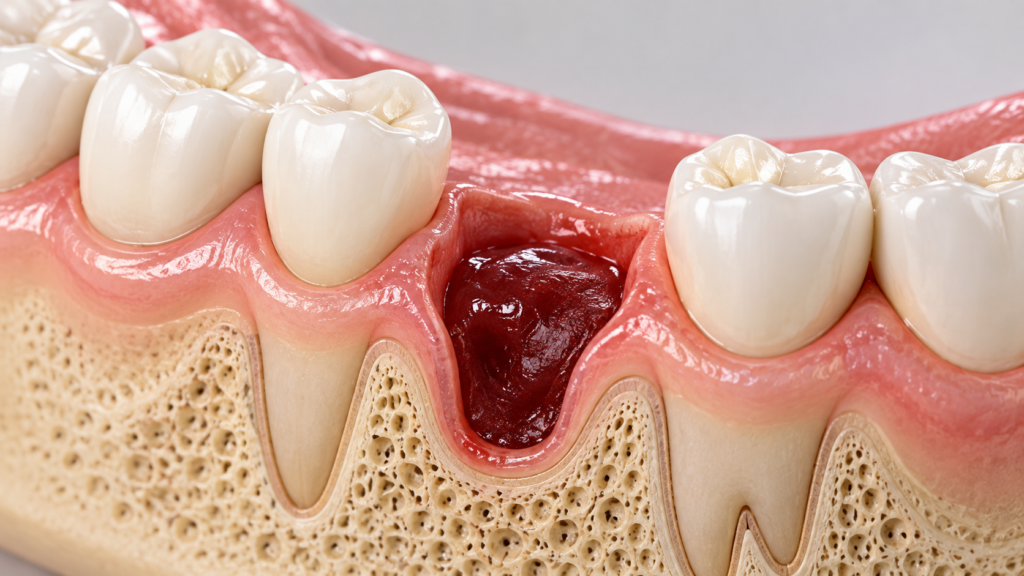
That clot is fragile, especially in the first few days. It can come loose if you:
- Brush or poke the area
- rinse or spit hard
- suck through a straw
- smoke
- chew on that side of your mouth
If the clot comes out, the bone underneath is left open. This is called dry socket. It usually causes severe, throbbing pain a few days after the extraction, and it needs a visit back to the dentist.
Is Miswak Riskier Than a Toothbrush After an Extraction?
In a few ways, yes. That doesn’t mean you should stop using it. It just means you need to change how you use it for a short time.
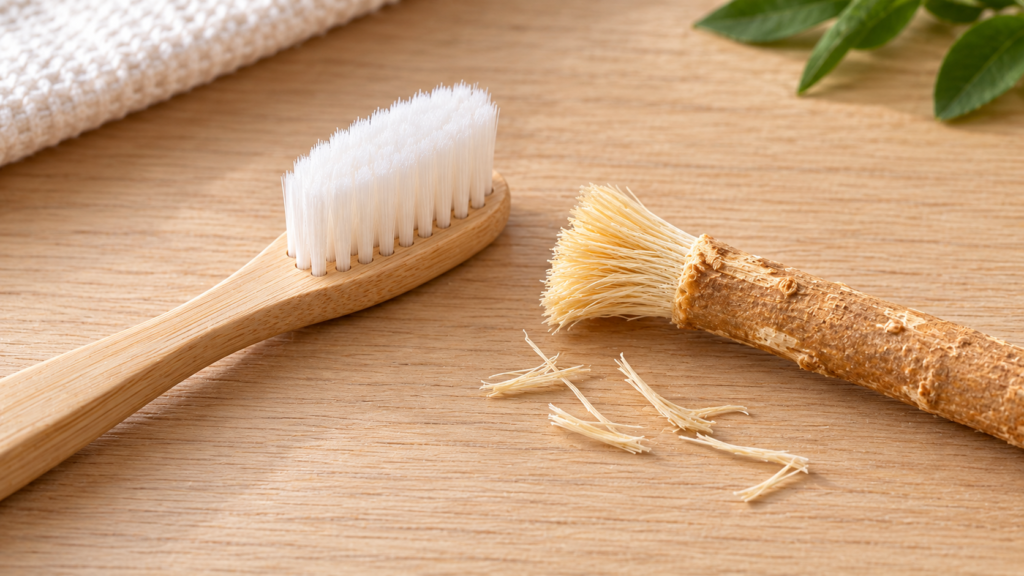
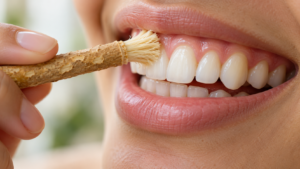
- You chew the tip. Chewing the miswak to soften the bristles can put pressure on the healing side. Always chew on the opposite side.
- Fibers can come loose. Small strands of miswak can fall into the open socket and irritate it.
- People often spit after using it. Hard spitting creates suction in the mouth, and that suction can pull the clot out. In the first few days, lean over the sink and let the liquid drip out gently instead.
When Can You Use Miswak After a Tooth Extraction?
Healing times vary from person to person, but this is a common pattern for a simple extraction. Surgical extractions, such as impacted wisdom teeth, usually take longer.
| Time after extraction | Miswak use | What else to do |
|---|---|---|
| First 24 hours | Don’t use it near the socket. Ideally, skip it completely. | No rinsing, no spitting, no straws, no smoking |
| Days 2 to 3 | Gently use it on teeth far from the socket. | Start gentle salt-water rinses if your dentist advises them. |
| Days 4 to 7 | Use it normally on other teeth. Still avoid the socket. | Keep rinsing gently after meals. |
| After about 1 week | Slowly start cleaning teeth next to the socket, very lightly. | Check with your dentist if anything still feels sore. |
| After about 2 weeks | Most people can return to their normal miswak routine. | Wait longer if the gum hasn’t fully closed. |
If your dentist gives you a different timeline, follow theirs.
How to Use Miswak Safely While Your Gum Heals
Once the first 24 hours have passed, these steps help you keep your mouth clean without risking the socket.
- Start with a fresh, clean stick. Your mouth is more open to infection while it heals. A new stick, or one cut back to fresh wood, is the safest choice. If you’re not sure about yours, check these signs a miswak is past its best.
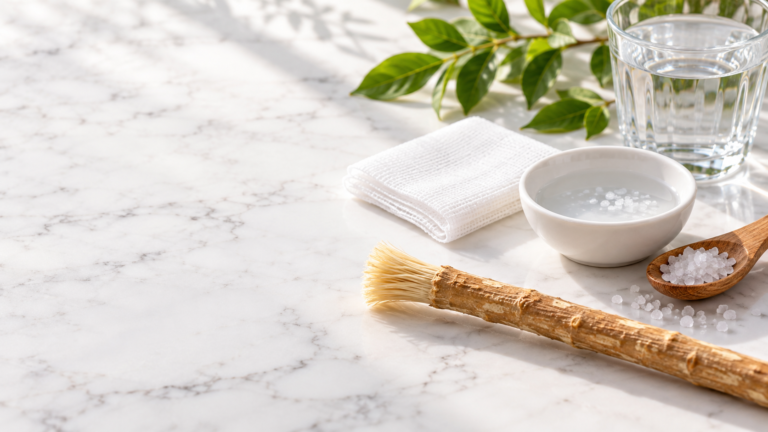
- Soak the tip well. A soft tip is gentler on sore gums. Soak it in clean water for a few minutes or longer.
- Chew the tip on the other side. Never chew the miswak with the teeth near the extraction site.
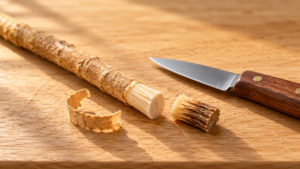
- Keep the bristles short. Short bristles are easier to control and less likely to reach the socket.
- Clean only the teeth far from the socket at first. Use light, slow strokes. Stay well away from the healing area.
- Don’t spit hard. Let the water or saliva fall gently out of your mouth.
- Check for loose fibers. Look in a mirror and make sure no strands are left near the socket.
If you need a refresher on the basics, here’s our step-by-step guide to using miswak the right way.
Can Miswak Help Your Mouth Heal?
There’s some early research, but it doesn’t mean you should chew a miswak near a fresh wound.
In one study, dentists put a miswak extract solution directly into the socket after removing lower wisdom teeth. Patients had slightly milder problems after surgery. In another study, a miswak extract helped extraction wounds heal faster, but that research was done on rats, not people.
Both studies used a prepared liquid extract, not a miswak stick. So the results are interesting, but they don’t change the advice: keep the stick away from the socket until it has healed.
What miswak can do is help keep the rest of your mouth clean while you recover. A clean mouth means fewer bacteria near the wound. If you’re curious, here’s how miswak works against harmful mouth bacteria.
What About After Wisdom Tooth Removal?
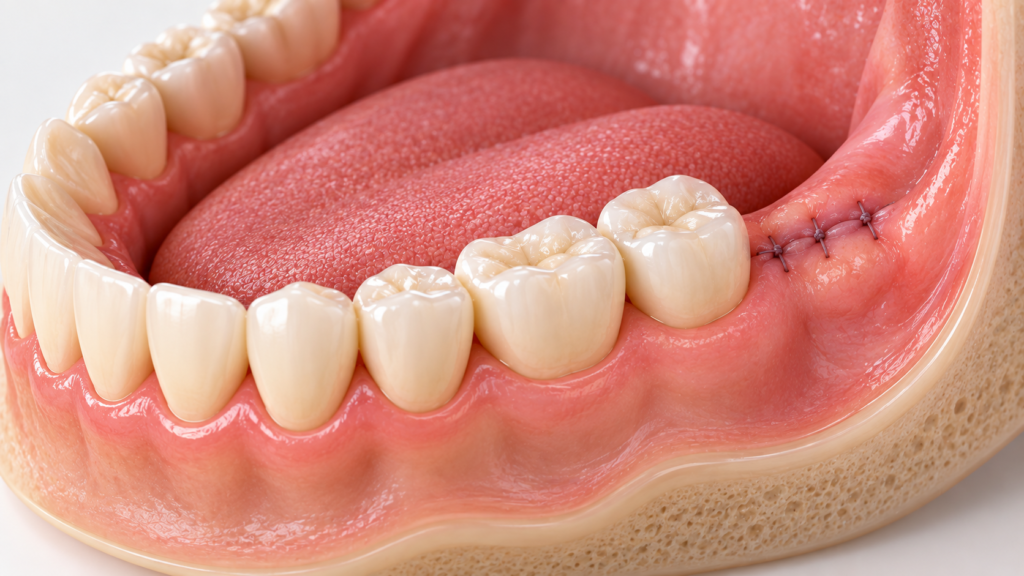
Wisdom teeth are at the very back of the mouth, and removing them is often more involved than a normal extraction. Sometimes the dentist has to cut the gum or remove some bone, and there may be stitches.
That means:
- Healing usually takes longer, often two weeks or more
- It’s harder to see and reach the area, so it’s easier to bump it by accident
- Swelling can make opening your mouth uncomfortable for a few days
Be extra patient. Keep your miswak to the front teeth for the first week. Only move towards the back once the swelling has gone down and your dentist is happy with how it’s healing.
What Mistakes Should You Avoid?
- Using miswak on the socket too soon. This is the most common mistake, and the most likely to cause dry socket.
- Chewing the tip on the sore side. Even gentle chewing puts pressure on the area.
- Spitting forcefully. Let liquid drip out instead.
- Using an old or dirty stick. Old fibres carry more bacteria. Our guide on keeping your miswak clean and stored properly explains how to look after it.
- Pressing too hard when you start again. New gum tissue is thin and easy to hurt. Too much pressure is also one of the common causes of miswak gum problems.
- Skipping cleaning altogether. Not cleaning at all lets bacteria build up. Clean your other teeth gently from day two.
When Should You Call Your Dentist?
Contact your dentist if you notice any of these:
- strong, throbbing pain that starts or gets worse two to four days after the extraction
- an empty-looking socket, or bone you can see in the hole
- a bad taste or bad smell from the area that doesn’t go away
- bleeding that won’t stop with gentle pressure
- swelling that gets worse after the third day
- fever, or pus coming from the socket
These can be signs of dry socket or infection. Both are very treatable, but they need a dentist.
Getting Back to Your Normal Routine
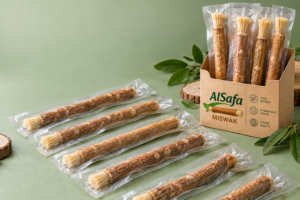
Once the socket has closed over and feels comfortable, you can go back to using miswak the way you did before. Start with a fresh stick and keep your strokes gentle for the first few days. A clean cut also helps, and our guide on how to cut and trim a miswak shows you how to get a soft, neat tip. If you stock miswak for customers, fresh, hygienically sealed sticks are the safest choice for anyone recovering from dental work.
Frequently Asked Questions
How long after a tooth extraction can I use miswak?
You can use it gently on your other teeth from about the second day. Wait about a week before cleaning near the socket, and around two weeks before going back to normal use. Follow your dentist’s advice if it’s different.
Can a miswak cause dry socket?
It can if you use it too close to the socket too early, chew the tip on that side, or spit hard afterwards. Used carefully, away from the healing area, it’s very unlikely to cause problems.
Can I use miswak on the first day after an extraction?
It’s best not to. For the first 24 hours, avoid brushing, rinsing, and spitting so the blood clot can form properly.
Can I chew a miswak after wisdom tooth removal?
Only on the opposite side, and only on the front teeth at first. Wisdom tooth sites usually take longer to heal, so wait until the swelling has gone and your dentist says it’s fine.
Is it safe to rinse after using miswak while healing?
After the first 24 hours, gentle rinsing is usually fine. Don’t swish hard or spit forcefully. Let the water fall out of your mouth on its own.
Does miswak help an extraction heal faster?
Some early studies on miswak extracts look promising, but they used liquid extracts, not sticks. There’s no proof that chewing a miswak speeds up healing, so keep it away from the socket until it has closed.
What should I do if a miswak fiber gets stuck in the socket?
Don’t try to dig it out. Rinse very gently with warm salt water. If it stays there, or the area becomes more painful, contact your dentist.
The Bottom Line
You don’t have to give up miswak after a tooth extraction. Skip it for the first day, then use it gently on your other teeth while the socket heals. Chew on the opposite side, don’t spit hard, and wait about a week before going near the healing spot. Most importantly, follow your dentist’s aftercare advice, and call them if anything feels wrong.