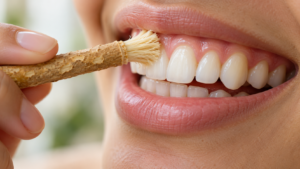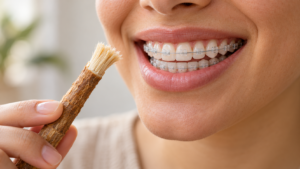
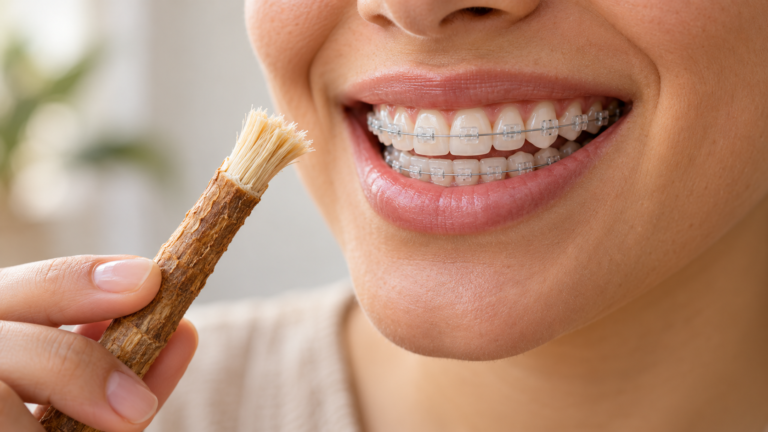
Yes, most people with braces can use miswak safely, as long as they treat it as an extra and not a replacement for their toothbrush. A soft, well-soaked tip used with light, vertical strokes can clean along the gumline and around brackets. It can’t reach under wires the way an orthodontic brush can. One clinical trial of patients with fixed braces found the best plaque control came from using miswak and a toothbrush together.
If you’ve used miswak for years, you probably don’t want to drop it for a year or two of treatment. You may not have to. This guide covers what the research says, where the real risks are, and a routine that works around brackets and wires. If you’re new to it, here’s what a miswak actually is before we get into the details.
Why Are Braces So Hard to Keep Clean?
Every bracket is a small ledge where food and plaque collect. The wire adds gaps that an ordinary brush skims straight past. Gums next to brackets often get puffy and bleed easily, especially in the first few months.
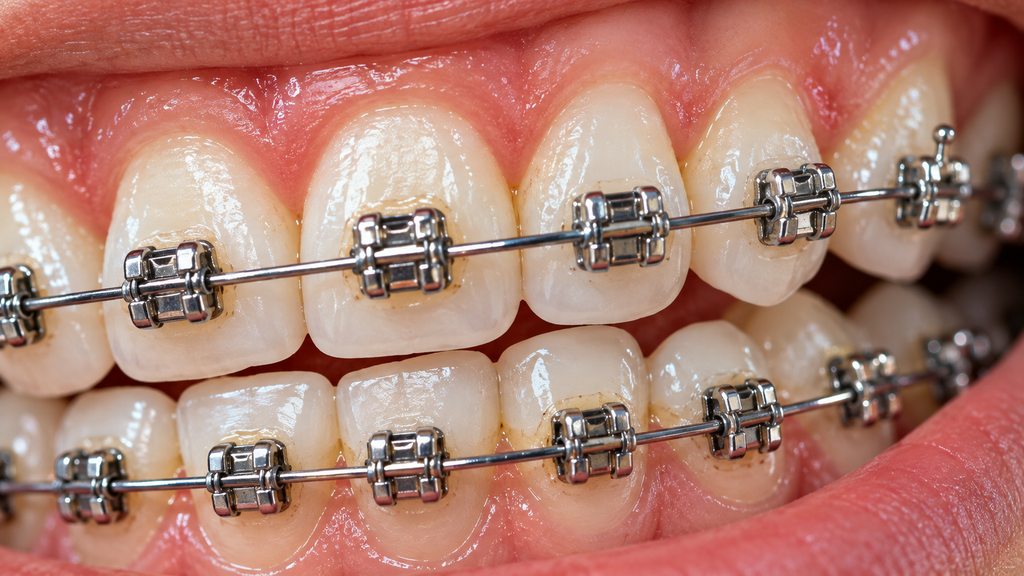
The bigger long-term worry is white spot lesions. These are chalky marks left on the enamel when plaque sits around a bracket for months. Studies of patients with fixed braces point to poor oral hygiene as the main cause, and the marks can stay after the braces come off. So cleaning during treatment isn’t only about fresh breath. It decides how your teeth look on the day the brackets are removed.
Can Miswak Replace Your Toothbrush During Braces?
No. Miswak fibres are good at sweeping tooth surfaces and working along the gumline. They aren’t built to slide under an archwire or clear the area around every side of a bracket. Orthodontic toothbrushes, with their V-shaped bristle rows, and small interdental brushes do that job much better.
Fluoride is the other reason. People with braces have a higher risk of decay around the brackets, and fluoride toothpaste is the main protection against it. Miswak contains a little natural fluoride, but nowhere near the amount in toothpaste. The best way to think of miswak during braces is as the extra clean in the middle of the day, after lunch or a snack, when brushing isn’t practical.
What Does the Research Say About Miswak and Braces?
There isn’t a lot of research yet, but what exists is encouraging.
- Miswak plus a toothbrush worked best. A clinical trial in Jordan compared several cleaning tools in patients with fixed braces. Using miswak and a toothbrush together gave the best plaque control.
- No harm after six months. A published case report followed a patient who used miswak during fixed-brace treatment. After six months, there were no harmful changes to her oral health.
- Miswak mouthwash ranked highest for plaque. A 2026 network meta-analysis compared mouthwashes in orthodontic patients. Salvadora persica (miswak) mouthwash ranked highest for reducing plaque in patients with fixed braces. That study looked at mouthwash, not the stick, but it involves the same plant.
The honest caveat: these are small studies, and several large reviews of miswak left out people with braces entirely. That’s not a reason to avoid it. It’s a reason to use miswak as a supplement and to follow your orthodontist’s advice.
What Are the Risks of Using Miswak With Braces?
- Stray fibres. Loose bristles can snag on brackets or lodge under the wire. Left there, they irritate the gums.
- Too much pressure. Pushing a stick hard against a bracket, or levering it between the wire and a tooth, puts stress on the bond. A loose bracket means an extra appointment.
- Sore gums after adjustments. Teeth and gums are tender for a few days after the braces are tightened. A firm stick adds to that.
- A dry tip. A stiff, dry tip scratches gums that are often already inflamed during treatment.
Almost all of these come down to technique and using a soft, fresh tip. For the wider safety picture, see our full guide to miswak risks and precautions.
How to Use Miswak With Braces: Step by Step
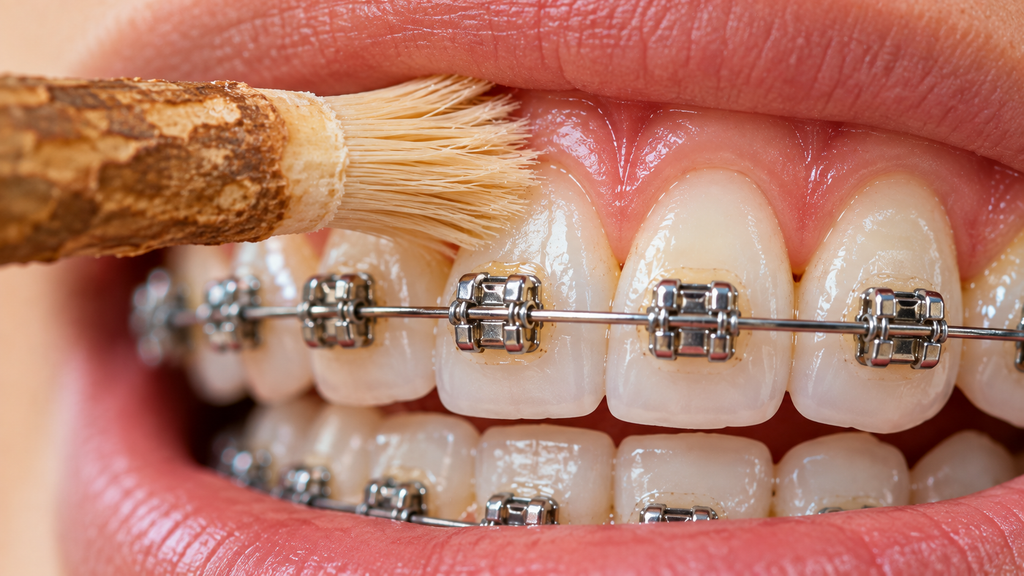
- Choose a slimmer stick. It’s easier to angle around brackets than a thick one.
- Soak it longer than usual. Give the tip a few hours in clean water so it’s soft all the way through.
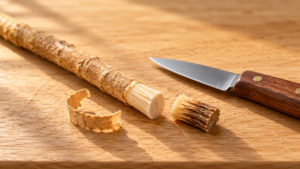
- Prepare the tip away from your braces. Peel back about a centimetre of bark, then chew gently with your back teeth or work the fibres apart with your fingers. Keep the brush head short so it doesn’t splay into the brackets.
- Brush above and below the brackets, not across them. Use short, light strokes from the gumline towards the bracket on the top teeth, and the same on the bottom.
- Leave the wire alone. Don’t push the tip under the wire or into the bracket itself.
- Rinse and check. Rinse well with water, then look in a mirror for stray fibres. An interdental brush or floss threader removes any that are stuck.
- Trim after each session. Fibres wear out faster when they rub against metal, so cut back to fresh wood more often than usual.
The general miswak brushing technique still applies. These steps simply adapt it for a mouth full of brackets.
What Does a Good Daily Routine Look Like?
- Morning: orthodontic toothbrush, fluoride toothpaste and an interdental brush.
- Midday or after meals: a few minutes with miswak, then a rinse with water.
- Night: a full brush with fluoride toothpaste and interdental cleaning. This is the most important clean of the day.
Miswak and toothpaste do different jobs, which is why fluoride toothpaste still matters even if you love your miswak. If your orthodontist recommends a mouthwash, add it at night.
Can You Use Miswak With Clear Aligners or Retainers?
Aligners make things easier. Take them out, use your miswak as normal, rinse, and put them back in. Never use miswak with aligners in, because fibres get trapped and the plastic can scratch. Make sure your teeth are clean before the aligners go back, since anything left behind sits pressed against your teeth for hours.
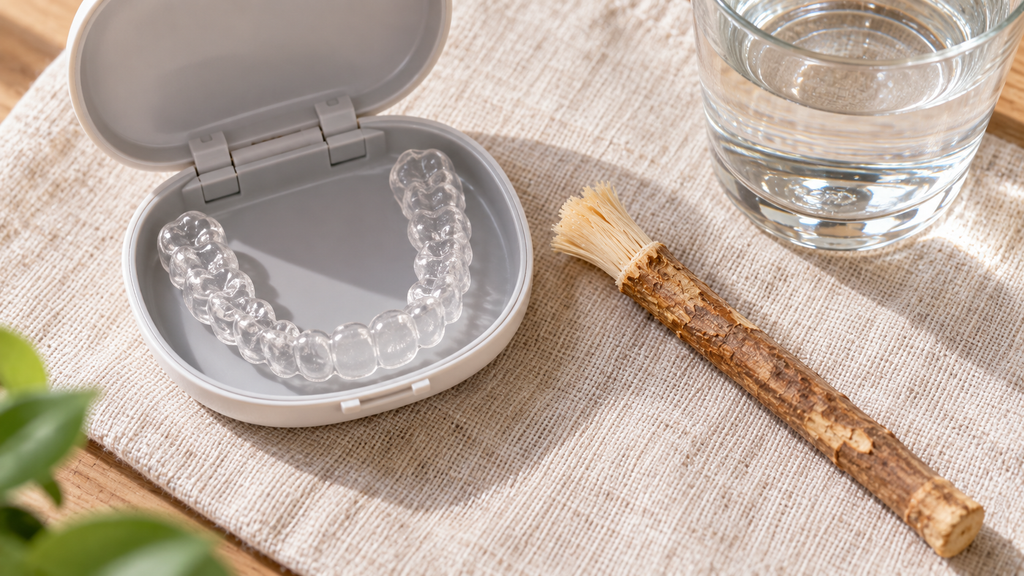
With a fixed retainer (the thin wire bonded behind the front teeth), use gentle vertical strokes and don’t lever against the wire. Take removable retainers out first.
When Should You Stop and Ask Your Orthodontist?
- A bracket feels loose, or the wire has moved.
- Your gums keep bleeding or stay swollen beyond the first few weeks.
- Fibers keep getting stuck, and you can’t remove them.
- A sore spot or ulcer develops where the stick touches.
- Your braces were just fitted or adjusted, and your mouth is very tender.
It’s also worth simply mentioning to your orthodontist that you use miswak. Most are happy with it once they know you’re keeping up with brushing too.
How Do You Keep Your Stick Clean During Treatment?
Braces give bacteria more places to hide, so the stick itself needs looking after. Rinse it after every use, let it air-dry, never share it, and replace it once the fibers look messy. Our guide on keeping the stick clean between uses covers the details.
What Kind of Miswak Is Best With Braces?
Look for fresh, genuine Salvadora persica in a slimmer diameter, hygienically sealed. An old, dry stick splinters easily, and splinters are the last thing you want near brackets. If you’re stocking for customers, sourcing genuine miswak tooth sticks from a supplier with clear packing dates makes a real difference.
Frequently Asked Questions
Can miswak break or loosen braces?
Gentle use is very unlikely to cause damage. Hard pressure, or levering the stick against a bracket or wire, can stress the bond and loosen a bracket.
Is miswak safe with clear aligners?
Yes, as long as you take the aligners out first. Rinse afterwards and make sure no fibres are left before putting them back in.
Can a miswak replace an orthodontic toothbrush?
No. Miswak can’t clean under wires or all around brackets well enough. Use it alongside your toothbrush and interdental brushes, not instead of them.
Can miswak help prevent white spots with braces?
It helps reduce plaque, which is the main cause of white spots. It works best as part of a routine that includes fluoride toothpaste twice a day.
Can children with braces use miswak?
Older children can, under supervision and once they’ve learned the gentle technique. Check with the orthodontist first.
How long should I use miswak with braces?
A few minutes is enough for a midday clean. Focus on light strokes along the gumline above and below the brackets.
The Bottom Line
Braces don’t mean giving up miswak. Use a slim, soft, well-soaked stick, brush around the brackets instead of across them, and keep it as an extra alongside your toothbrush and fluoride toothpaste. Do that, and miswak becomes a handy way to keep your teeth clean between brushes throughout treatment.