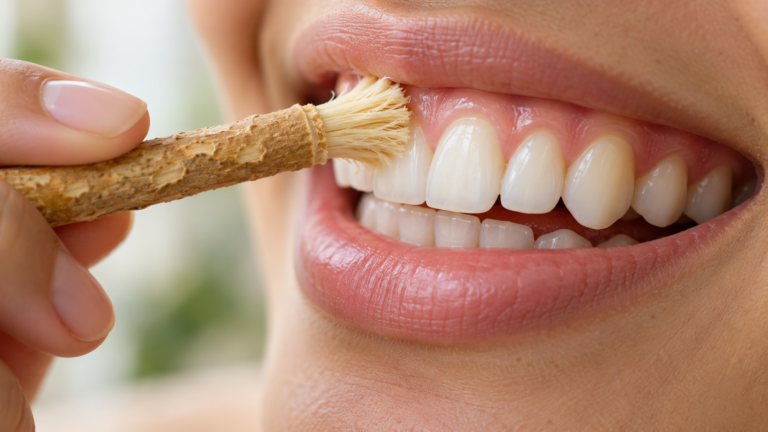
Miswak can damage gums, but it’s almost always down to how it’s used, not the wood itself. Pressing hard, scrubbing side to side, or brushing with a dry, worn-out tip can cause small cuts, irritation and, over years, gum recession. Used gently with a soft, fresh tip, miswak is safe for most people and can even help keep gums healthy.
That’s the short version. The longer one matters, because “gum damage” covers several different problems, and some are far more serious than others. A sting from a splinter heals in days. Recession doesn’t heal at all. This guide explains what the research actually found, how to tell harmless irritation from real damage, and what to do if your gums are already sore. For every other possible downside of using a stick, see the complete rundown of miswak side effects.
What Does the Research Say About Miswak and Gum Damage?
The evidence is mixed, and it’s worth being honest about that.
A 2025 systematic review pulled together the studies on gum recession in miswak users. Recession rates varied enormously, from roughly 10% of users in one study to nearly 70% in another. Some research found more recession in miswak users than in toothbrush users. Other studies found less, or no difference at all.
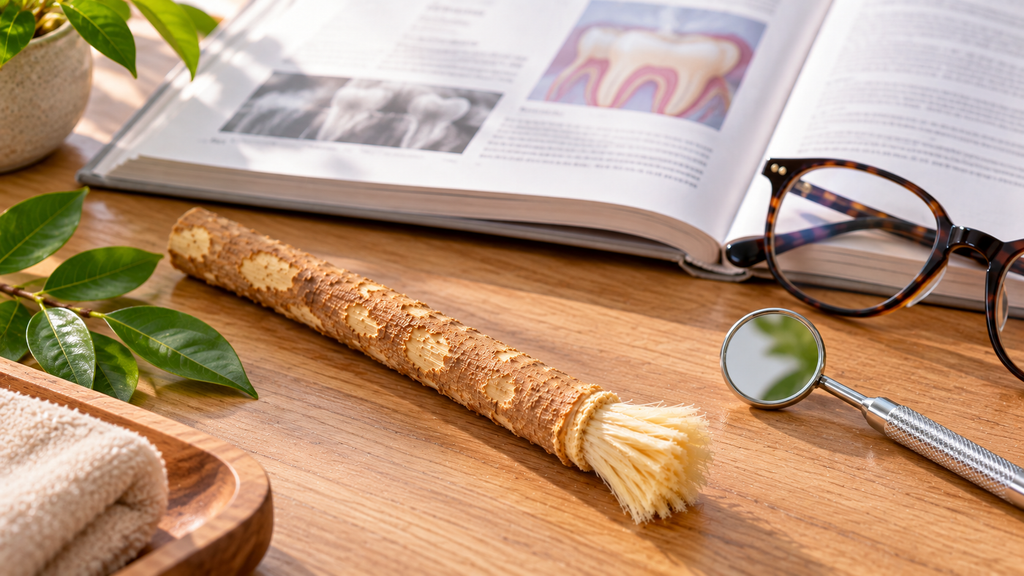
The review’s conclusion was cautious. Excessive or improper use may contribute to recession, but the evidence isn’t strong enough to say miswak itself causes it. That fits what dentists see with toothbrushes too. A brush used too hard for years causes recession, and nobody blames the toothbrush.
On the positive side, studies regularly link miswak to less plaque and less gum inflammation. If you want the bigger picture of how miswak compares with a toothbrush and paste, we’ve covered that separately.
What Kinds of Gum Damage Can Miswak Cause?
There are four, and they’re very different in how serious they are.
| Type of damage | What you notice | Usual cause | Does it heal? |
|---|---|---|---|
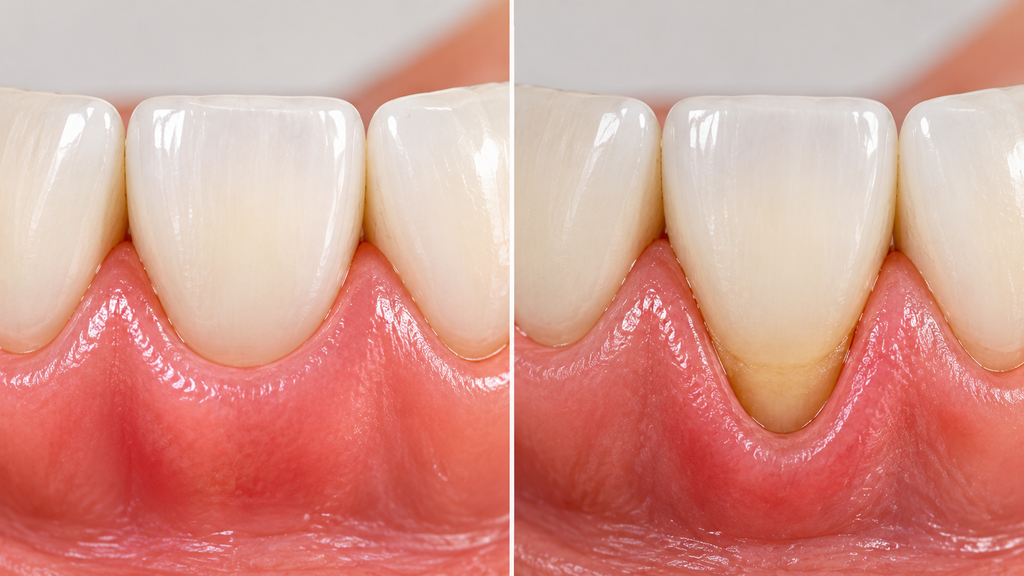
| Gum recession | Teeth look longer, root surface shows, cold sensitivity near the gumline | Years of hard, horizontal scrubbing | No, but it can be stopped |
| Cuts and scratches | Sharp sting, thin red line, a little blood | Dry, stiff or splintered tip | Yes, usually within days |
| Irritation | Tingling, warmth, slight redness | Natural compounds in the wood | Yes, usually settles quickly |
| Infection | Soreness, swelling, bad taste | Mouldy or dirty stick | Yes, once treated |
Gum Recession
This is the one that matters most, because it’s permanent. The gum slowly pulls back from the tooth, exposing the root. It happens gradually over months or years, so most people don’t notice until a tooth starts feeling sensitive to cold drinks.
Cuts and Scratches
A dry tip or a splinter can nick the gum. It stings, sometimes bleeds a little, and normally heals within a few days once you switch to a softer tip.
Irritation
Miswak contains natural compounds that give it a peppery warmth. A mild tingle in your first week or so is normal. Ongoing burning, swelling or sores are not, and the pillar guide covers those reactions in detail.
Infection From a Dirty Stick
A stick that’s been stored wet or left lying around can grow mould and bacteria, and you’re brushing that directly onto your gums. Getting into the habit of storing your stick so it stays clean and supple removes this risk almost entirely.
Why Does Miswak Sometimes Hurt Your Gums?
When gums get sore, it’s nearly always one of these:
- Too much pressure. Pressing harder doesn’t clean better. The fibres and natural compounds do the cleaning, and extra force only wears the gum away.
- Side-to-side sawing. Horizontal strokes along the gumline drag fibres across delicate tissue thousands of times a week.
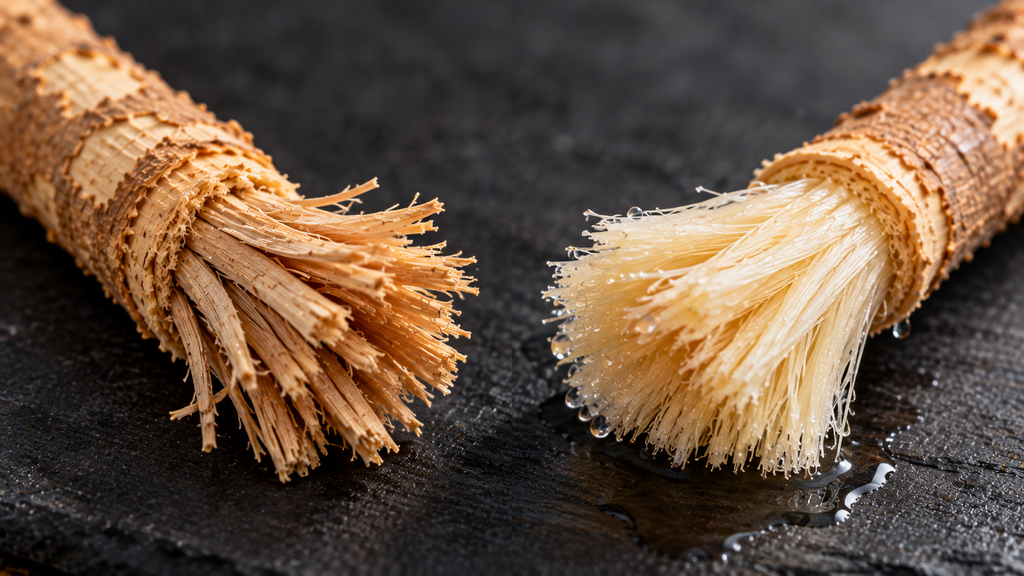
- A dry, stiff tip. Unsoaked fibres act like a hard-bristled brush.
- An old, frayed head. Worn fibres harden, splay out and start shedding splinters. It helps to know how to tell when a stick is past its best.
- Brushing into the gum. Strokes should move away from the gumline, towards the biting edge, not down into the gum.
- Long, frequent sessions. Using a stick for long stretches many times a day multiplies every small mistake.
Is It Gum Damage or Just Normal Irritation?
Some reactions are perfectly normal, especially when you’re new to miswak:
- a light tingle or warmth while brushing
- gums that look slightly pink straight afterwards
- a little bleeding in the first week, if your gums were already inflamed
That last one surprises people. Inflamed gums bleed easily, and bleeding often eases once regular cleaning brings the plaque under control.
These signs point to real damage and need attention:
- bleeding that carries on beyond two weeks
- the gumline creeping back, or teeth looking longer than before
- sharp sensitivity to cold right at the neck of a tooth
- small notches or grooves near the gumline
- a sore or ulcer that doesn’t heal within two weeks
- swelling, pus or a bad taste that won’t go away
How Do You Use Miswak Without Damaging Your Gums?
- Soak the tip first. A few minutes in clean water, or longer for a new stick, until the fibres bend softly.
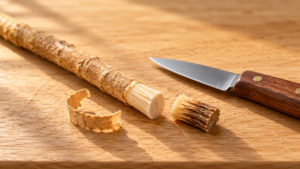
- Trim to fresh wood daily. Cut off the old bristles and shape a new, short brush head.
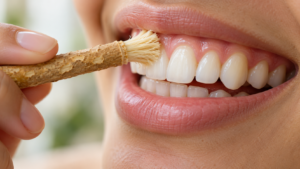
- Hold it lightly. A pen-style grip limits how hard you can press.
- Use short vertical strokes. Brush away from the gums, from the gumline towards the tip of the tooth.
- Keep sessions sensible. A few unhurried minutes is enough.
- Replace the stick regularly. Once it’s stiff, splintering or short, switch to a new one.
These steps are the gum-protecting essentials. For the full method, including angles and common mistakes, follow a gentle, gum-friendly brushing technique.
Who Is More at Risk of Gum Damage?
Some people need to be more careful than others:
- people with thin gums or recession that has already started
- anyone with existing gum disease
- naturally heavy-handed brushers
- children who are still learning the technique
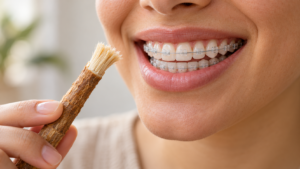
- people wearing braces, where fibres and pressure around brackets add extra risk
If you’re in any of these groups, check with your dentist before making miswak a daily habit. The pillar guide explains who should take extra precautions with miswak and why.
Can Damaged Gums Heal?
It depends on the damage.
Cuts and scratches usually heal within a few days to a week once you stop irritating them. Irritation settles as soon as the cause is removed. Gingivitis, the early stage of gum inflammation, is reversible with good cleaning.
Recession is different. Gum tissue that has pulled back doesn’t grow back by itself. What you can do is stop it getting worse, by changing your technique and having regular dental check-ups. In more advanced cases, dentists have treatments that can cover exposed roots, but prevention is far easier.
When Should You See a Dentist?
Book an appointment if you notice any of the following:
- bleeding that hasn’t settled after two weeks
- visible recession or teeth that look longer
- persistent sensitivity at the gumline
- a sore that won’t heal
- swelling, pus or a lasting bad taste
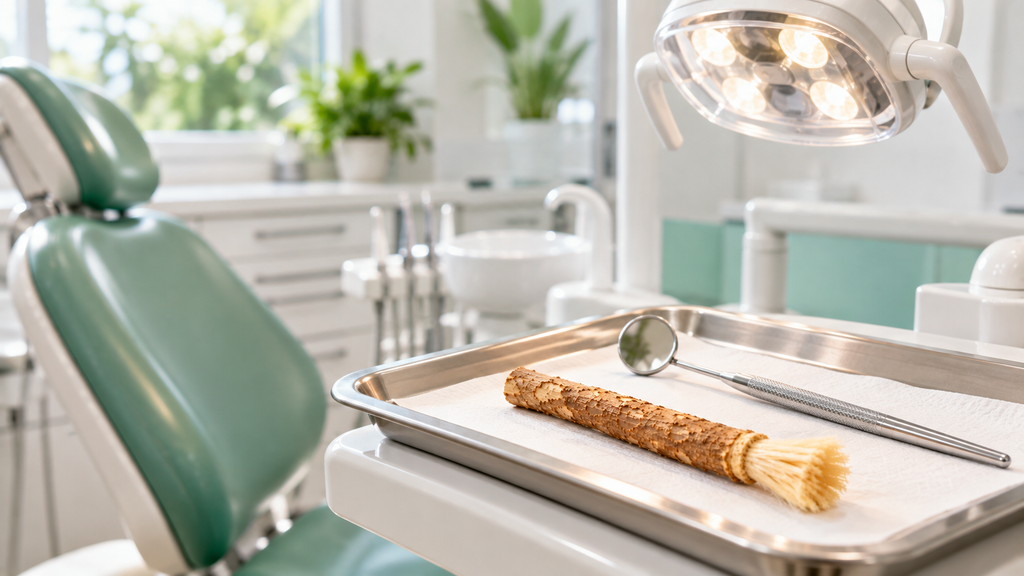
Tell your dentist you use miswak. It helps them understand what they’re seeing, and most dentists are happy to check your technique.
What Kind of Miswak Is Gentlest on Gums?
A fresh, supple stick with fine, even fibres is the kindest to your gums. Old or poorly stored sticks dry out, splinter and scratch. Genuine Salvadora persica also contains the natural compounds inside the stick that help calm gum inflammation, and those fade as the wood ages. If you stock miswak for customers, sourcing fresh miswak tooth sticks from a reliable supplier matters for their gums as much as for your reputation.
Frequently Asked Questions
Can miswak cause receding gums?
It can contribute when it’s used with too much pressure or a side-to-side scrubbing motion over a long time. Research is mixed, and gentle use with a soft tip makes recession much less likely.
Why do my gums bleed when I use miswak?
If you’re new to miswak, light bleeding in the first week often comes from gums that were already inflamed. If bleeding lasts beyond two weeks, or your stick is dry and stiff, see a dentist and check your technique.
Is miswak better for gums than a toothbrush?
Both can be good for gums when used gently, and both can cause damage when used too hard. Many people get the best results using miswak alongside a soft toothbrush and fluoride toothpaste.
Can miswak cut your gums?
Yes, a dry tip or a splintered stick can scratch the gum. These small cuts usually heal within a few days once you switch to a soaked, freshly trimmed tip.
Should I stop using miswak if my gums hurt?
Take a break for a few days and let the gums settle. Then restart with a soft, well-soaked tip and lighter pressure. If the pain comes back or doesn’t ease, see a dentist.
Is miswak safe for people with gum disease?
Check with your dentist first. Miswak may help reduce plaque, but inflamed or receding gums are more easily damaged, so technique and pressure matter even more.
How hard should I press with a miswak?
Very lightly. If the fibres are flattening or your gums turn white under the stick, you’re pressing too hard.
The Bottom Line
Miswak isn’t hard on gums by nature. The damage people link to it comes from heavy pressure, side-to-side scrubbing and stiff, worn-out sticks. Keep the tip soft and fresh, brush lightly away from the gumline, and watch for the warning signs above. Do that, and your miswak is far more likely to protect your gums than harm them.