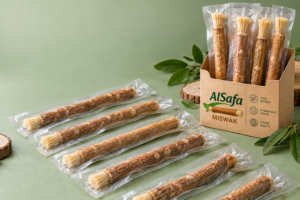

If your family uses miswak, it’s natural to wonder: can the kids use it too?
The short answer is yes — most children can use miswak. But there are a few important rules to keep it safe. A miswak is a firm little stick, and children are, well, children. So the “how” and the “at what age” matter a lot.
This guide keeps it simple. We’ll cover the right age to start, the safety rules every parent should know, the benefits for little teeth, and how to introduce it gently. Let’s get into it.
The Quick Answer
In short:
Older children can safely use miswak with adult supervision and a soft, well-prepared tip. It is not suitable for toddlers, who can choke on pieces or poke themselves. Always supervise, always use gentle pressure, and never let a child walk or run around with a stick in their mouth.
What Age Can a Child Start Using Miswak?
There’s no single magic age — it depends on the child. A good rule of thumb is: once a child can brush their own teeth carefully and follow simple instructions, they’re usually ready to try miswak with help.
Here’s a simple guide by age:
| Age Group | Miswak? | What to Keep in Mind |
|---|---|---|
| Toddlers (under 3) | Not recommended | A stiff stick is a choking and poke risk. Stick to a soft baby brush. |
| Ages 3–5 | Only with close supervision | Very soft tip, seated still, an adult holding or guiding it. |
| Ages 6–10 | Yes, supervised | They can start learning the gentle technique with an adult watching. |
| Ages 11+ | Yes | Most can use it well on their own once taught the right method. |
Every child is different. If you’re unsure, your child’s dentist is the best person to ask about the right time to start.
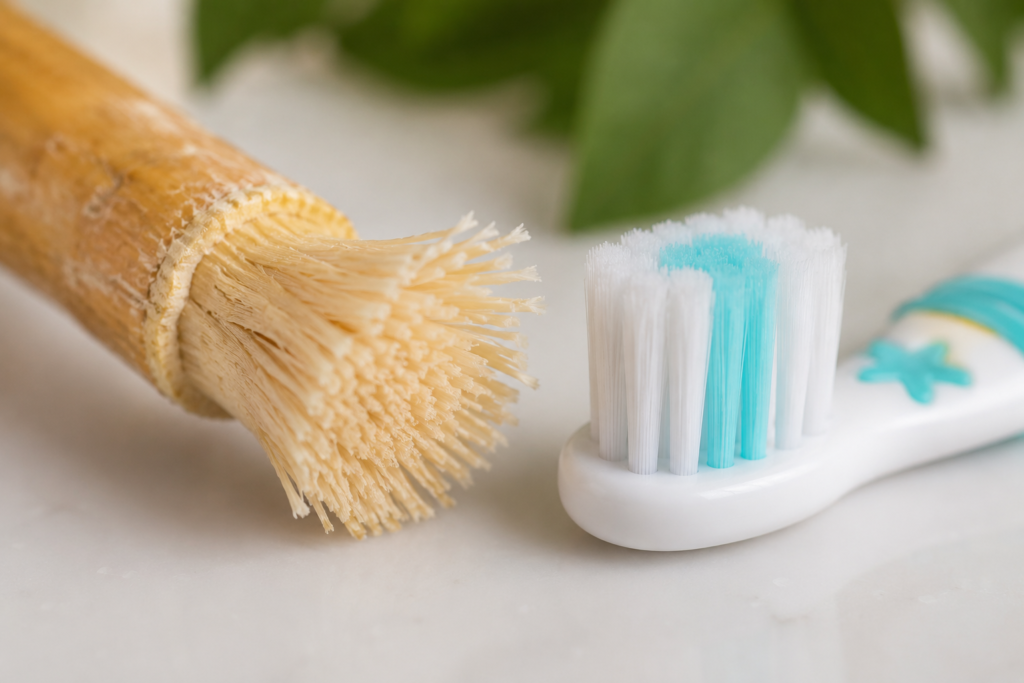
Safety Rules Every Parent Should Follow
This is the most important part of the whole post. Miswak is safe for children when these rules are followed. Please don’t skip them.
- Always supervise. Never leave a child alone with a miswak. Stay with them the whole time.
- Keep them seated and still. No walking, running, playing, or lying down while the stick is in their mouth. A fall with a stick in the mouth can cause injury.
- Use a soft, fresh tip. Soak or chew the tip until it’s soft and bendy before your child uses it. A hard tip can hurt little gums.
- Cut the right size. Give them a short, easy-to-hold piece — not a long stick that’s hard to control.
- Light pressure only. Show them to brush softly. Children often press too hard, which can hurt their gums.
- Watch for swallowing. Make sure no small pieces of wood break off and get swallowed. Trim away any loose bits.
- One stick per child. Just like toothbrushes, kids shouldn’t share miswak with each other.
- Keep it away from toddlers. Store sticks somewhere small children can’t reach.
Important safety note:
A miswak is a firm stick. For a young child, that means a real choking and poke risk if used without care. Supervision is not optional — it is the single most important safety rule. When in doubt, wait until your child is older.
Is Miswak Good for Children’s Teeth?
Used the right way, yes — miswak can be a healthy, natural choice for kids. Here’s why some parents like it:
- It’s natural. No artificial foam, strong flavors, or ingredients to swallow. Just a natural stick.
- It cleans gently. The soft fibers and natural compounds help clean teeth and freshen breath.
- It fights germs. Miswak has natural antibacterial properties that help keep the mouth clean. You can read more about that in our post on miswak sticks for teeth.
- It builds good habits. Learning to care for their teeth early sets kids up for a lifetime of healthy smiles.
- It’s handy on the go. No water or paste needed — useful for trips and busy days.
That said, miswak is a helper, not a full replacement for everything. Most dentists still suggest a proper toothbrush and, for many children, a fluoride toothpaste. Miswak can sit nicely alongside those.
What About Kids With Sensitive Gums?
Some children have tender gums, especially when new teeth are coming in. If that’s your child, be extra gentle. Use a very soft, well-soaked tip and keep sessions short.
If you notice any bleeding, soreness, or your child complaining, stop and give it a rest. Our guide on miswak for sensitive gums has more gentle-use tips that work well for children too.
How to Introduce Miswak to Your Child (Step by Step)
Making it easy and fun helps kids take to it. Here’s a simple way to start:
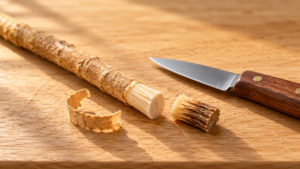
- Step 1 — Prepare it for them. Trim the bark and soften the tip yourself first so it’s soft and ready.
- Step 2 — Show them how. Let them watch you use yours. Kids love to copy their parents.
- Step 3 — Guide their hand. For younger children, hold the stick with them and move it gently.
- Step 4 — Keep it short. A minute or two is plenty at first. Don’t force a long session.
- Step 5 — Praise them. Make it a happy routine, not a chore. A little encouragement goes a long way.

When to Skip Miswak and Ask a Dentist
Miswak isn’t right for every child at every moment. Hold off and check with a dentist if:
- Your child is a toddler or very young and can’t sit still.
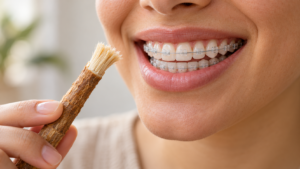
- They have braces or ongoing dental treatment.
- They have very sore, swollen, or bleeding gums.
- You’re not sure it’s the right time — a quick chat with the dentist clears it up.
A dentist knows your child’s mouth and can give advice made just for them.
Frequently Asked Questions
At what age can a child use miswak?
Most children can start around age six with supervision and use it well on their own by their teens. Toddlers under three should not use it. Every child is different, so ask your dentist if unsure.
Is miswak safe for children?
Yes, when used safely — a soft tip, gentle pressure, close supervision, and a child seated still. The main risks come from a hard stick or an unsupervised child, both of which are easy to avoid.
Can a miswak replace a toothbrush for kids?
It can help, but most dentists suggest using it alongside a toothbrush rather than fully replacing one for children. Together they keep little teeth clean.
Do children need toothpaste with miswak?
Miswak works without paste, but many dentists still recommend a suitable fluoride toothpaste for kids. You can use both — miswak for gentle cleaning and toothpaste for extra protection.
What kind of miswak is best for children?
A small, fresh, genuine stick with a soft, well-prepared tip. Freshness and quality matter — a fresh miswak tooth stick softens more easily and is gentler on little gums.
The Bottom Line
So, can children use miswak? Yes — most kids can, safely and happily, as long as you follow a few simple rules. Keep the tip soft, the pressure light, the sessions short, and your eyes on them the whole time. Start when your child is old enough to sit still and follow along, and always ask a dentist if you’re unsure.
Done right, miswak is a gentle, natural way to help your child build healthy habits early. And it all begins with a fresh, genuine stick. If you’d like to know where to buy authentic miswak sticks, we can help.
For families, shops, and wholesale buyers who want real, fresh Salvadora persica miswak, take a look at our miswak product range or get in touch with our team. Safe, gentle, natural care your whole family can trust.