The first time I handed a miswak to a friend, he turned it over in his hand and asked, “So… I just chew on this?” Pretty much, yes. And that little stick has been cleaning teeth for over 7,000 years, long before anyone squeezed toothpaste out of a tube.
But here’s what most people don’t realize: not all miswak sticks are the same. The tree it comes from, how fresh it is, even how thick it is — all of that changes how well it actually works. So if you’re wondering which miswak stick is genuinely best for your teeth, this is the honest breakdown.
What Makes a Miswak Stick “Good” in the First Place?
A quality miswak does three things well. It stays moist enough to form soft bristles when you chew the tip. It releases its natural compounds — silica, fluoride, tannins, and antibacterial agents — as you brush. And it holds together without splintering into your gums.
A dried-out, brittle stick fails at all three. That’s why freshness matters more than almost anything else when you’re choosing one.
The Best Types of Miswak Sticks
1. Peelu (Salvadora persica) — The Gold Standard
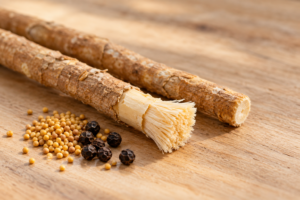
If you only ever try one miswak, make it peelu. This is the classic, the one mentioned in traditional texts, and honestly the one dentists who study miswak keep coming back to in research. The Salvadora persica tree grows across the Middle East, Pakistan, and parts of Africa, and its roots and twigs are naturally loaded with antibacterial compounds.
Peelu sticks have a slightly bitter, peppery taste at first. Give it a week — most people end up liking it. The bristles it forms are soft but effective, which makes it gentle on gums while still scrubbing away plaque. The list of things this stick does for your mouth is genuinely long; there’s a full rundown of miswak benefits here if you want the deeper science.
Best for: Everyday use, sensitive gums, beginners.
2. Olive Wood Miswak — The Mild One
Olive miswak has a softer, almost sweet taste compared to peelu. It’s popular in the Mediterranean and Levant regions, and it’s a good pick if peelu’s bitterness puts you off. The bristles are a touch firmer, so it works well for people who like a bit more scrubbing power.
Best for: People who find peelu too bitter, firmer brushing preference.
3. Neem Miswak — The Strong Medicine
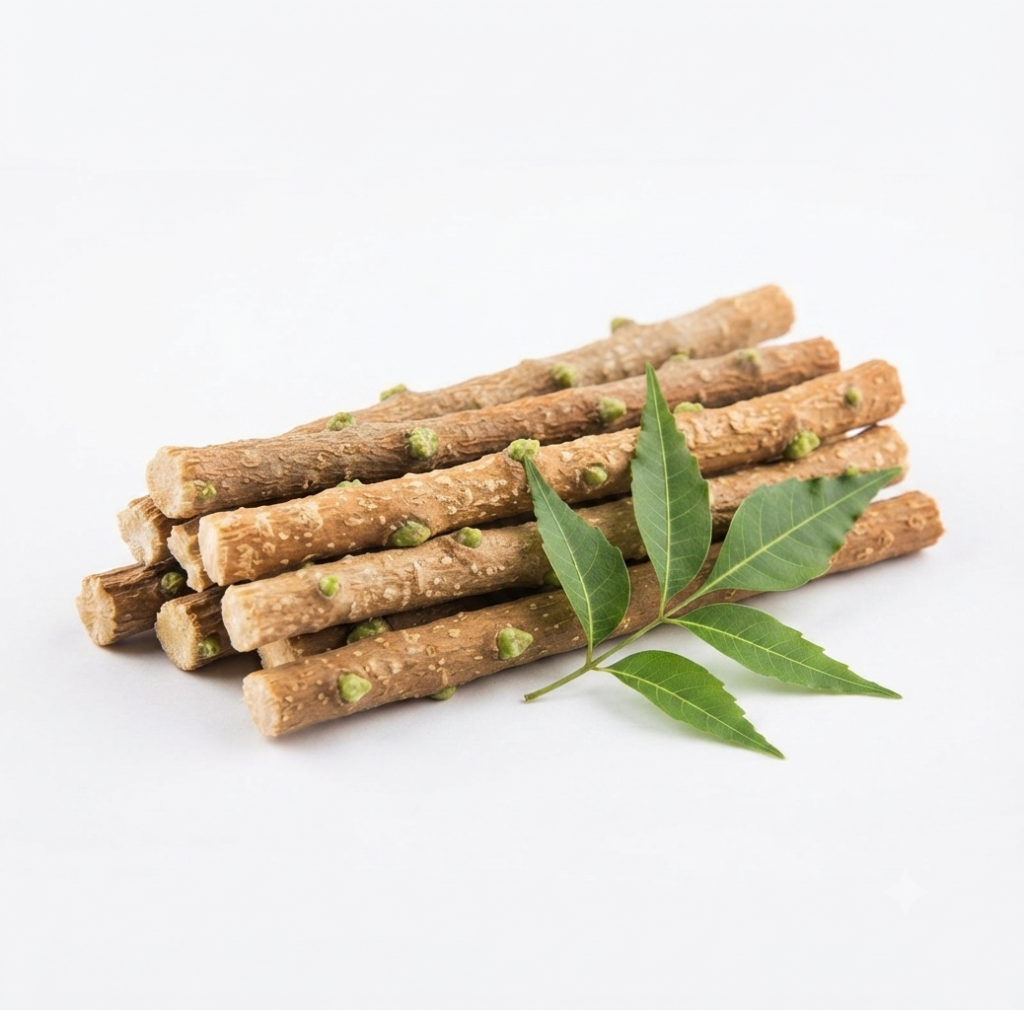
Neem is intense. It’s noticeably more bitter than peelu, but it’s also famously antibacterial — neem twigs have been used across South Asia for generations. If you’re dealing with recurring gum irritation or stubborn bad breath, neem is worth a try. Just don’t expect it to taste pleasant. It won’t.
Best for: Gum problems, bad breath, people who don’t mind bitterness.
4. Vacuum-Sealed Fresh Peelu — The Practical Choice
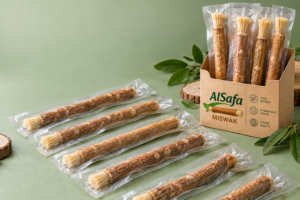
This isn’t a different tree, but it deserves its own spot. A peelu stick that’s been vacuum-sealed right after harvest stays moist and usable for months. An unsealed stick sitting in a shop for weeks? It’s often half-dead by the time you buy it. If you’re ordering online, sealed packaging is the single biggest quality signal to look for.
Best for: Anyone buying online or stocking up.
Quick Comparison
| Type | Taste | Bristle Feel | Best Use |
|---|---|---|---|
| Peelu | Bitter-peppery | Soft | Daily brushing |
| Olive | Mild, slightly sweet | Medium-firm | Sensitive taste buds |
| Neem | Very bitter | Firm | Gum health, breath |
| Sealed peelu | Same as peelu | Soft, stays fresh | Online buyers |
How to Spot a Bad Miswak Stick
A few red flags I’ve learned to watch for:
The stick feels bone-dry and snaps easily — it’s too old. The bark is peeling off on its own — poor storage. It smells musty or moldy — throw it out, don’t risk it. It’s unusually cheap and unsealed — you’re probably getting old stock.
A good stick should feel slightly flexible, smell fresh and woody, and be roughly pencil-thick (about 15 cm long and 1 cm wide is the sweet spot for most hands and mouths).
Getting the Most Out of Your Miswak
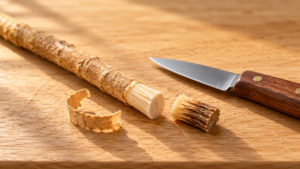
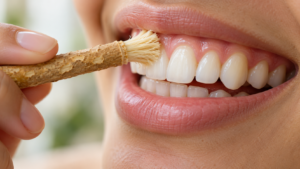
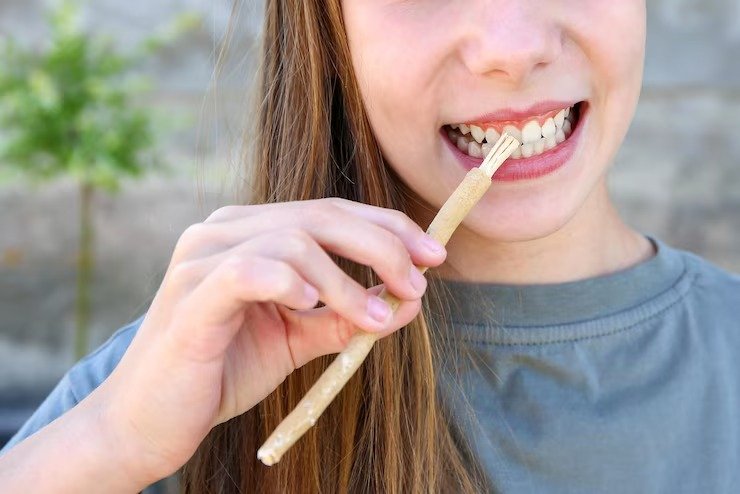
Even the best stick won’t do much if you use it wrong. The basics: trim the bark off the last centimeter or so, chew the tip until bristles form, and brush with the grain of your teeth rather than sawing side to side. Cut off the used bristles every couple of days and start fresh. There’s a proper step-by-step walkthrough on how to use miswak if you’re starting from zero.
And keep it moist between uses. Some people store theirs upright in a small cup of water, tip down. Works surprisingly well.
Frequently Asked Questions
Is miswak better than a toothbrush?
Studies comparing the two are surprisingly favorable to miswak — some show it matches or beats manual brushing for plaque removal, partly because people tend to use it more often throughout the day. That said, many people use both: miswak during the day, toothbrush morning and night. There’s no rule against it.
How long does one miswak stick last?
With daily use and regular trimming, a single stick typically lasts two to four weeks.
Can kids use miswak?
Yes, with supervision. The soft bristles of a fresh peelu stick are gentle enough for children, but keep an eye on younger kids so they don’t bite off chunks.
Where should I actually buy one?
Local halal grocers and herbal shops sometimes carry them, but freshness is hit or miss. Buying from a dedicated supplier with sealed packaging is usually safer — here’s a guide on where to buy miswak sticks that covers what to look for.
The Bottom Line
For most people, a fresh, vacuum-sealed peelu miswak is the best all-around choice — it’s the most researched, the gentlest on gums, and the easiest to get used to. Olive is your fallback if the taste bothers you, and neem is the specialist option when your gums need extra help.
Whichever you pick, freshness beats everything else. A mediocre tree species that’s fresh will always outperform the “best” species that’s been drying out on a shelf for six months.