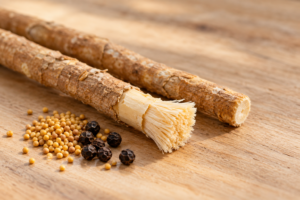
If you’ve ever held a miswak and wondered where this little stick actually comes from, you’re asking a better question than you might realize. The answer explains almost everything about why miswak works — and why not every “miswak” on the market is the real thing.
So let’s settle it clearly. Miswak comes from one particular tree, with a long history and a botanical profile perfectly suited to cleaning teeth. This guide introduces that tree, where it grows, why it became known as nature’s toothbrush, and why the source matters more than most people think.
The Short Answer
In one line:
Genuine miswak comes from the Salvadora persica tree — widely known as the Arak tree (or Peelu tree) — a small, hardy evergreen native to the dry regions of the Middle East, Africa, and South Asia. Its roots and twigs are what get chewed into the natural bristle brush we call miswak.
If you’re brand new to all this, our explainer on what miswak is covers the basics before we dig into the tree itself.
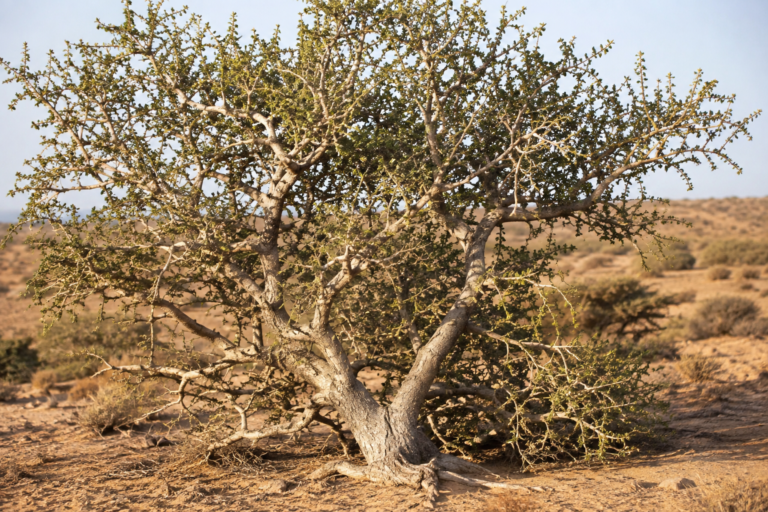
Meet the Arak Tree (Salvadora persica)
The miswak tree isn’t a towering, impressive thing — and that’s part of its charm. It’s a modest evergreen, more shrub than mighty tree, that quietly thrives in some of the harshest, driest land on earth. Here’s its profile at a glance:
| Botanical Profile | Salvadora persica (the miswak tree) |
|---|---|
| Scientific name | Salvadora persica L. |
| Family | Salvadoraceae (order Brassicales) |
| Common names | Arak, Peelu, toothbrush tree, mustard tree |
| Type | Small evergreen tree or large shrub |
| Typical height | Around 6–7 meters, occasionally up to 10 |
| Native range | The arid and semi-arid Middle East, Africa, and South Asia |
| Grows well in | Hot, dry, and even saline soils where most trees fail |
| Parts used for miswak | Roots, twigs, and small branches |
The genus name Salvadora was given by an 18th-century French botanist in honor of a Spanish apothecary, and persica points to Persia, where an early specimen was recorded. But long before botanists gave it a Latin name, people across the Muslim world, South Asia, and Africa already knew it simply as the tree you break a twig from to clean your teeth.
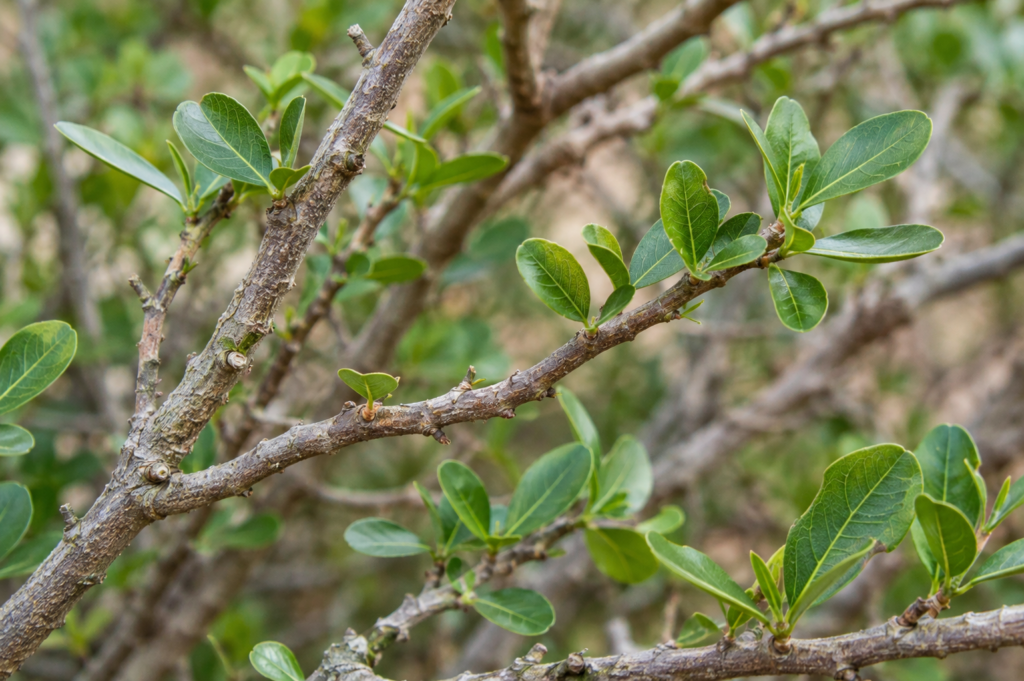
Where Does the Miswak Tree Grow?
Salvadora persica is a survivor. It grows where many food crops and ordinary trees simply can’t — hot, dry, and often salty ground. You’ll find it across a broad belt of the world’s arid regions:
- The Middle East and Arabian Peninsula, where its long association with the region helped spread the name “Arak” internationally.
- South Asia — India, Pakistan, and Sri Lanka, including the coastal and saline lands of Sindh, where it’s long been called Peelu.
- Across much of Africa, from Egypt down through dry savannah and semi-desert regions.
Part of what makes the tree remarkable is its tolerance for salt and drought. It’s a halophyte — able to grow in saline coastal soils and desert flood plains — with a deep root system that reaches water far below the surface. In other words, it flourishes exactly where a reliable oral-care plant was most needed and hardest to come by.
Why This Tree Became “Nature’s Toothbrush”
Plenty of trees have twigs. Only a few make a good miswak — and Salvadora persica happens to combine every quality you’d want in a natural toothbrush:
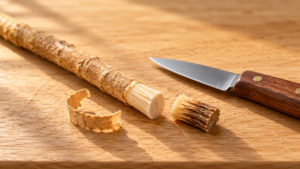
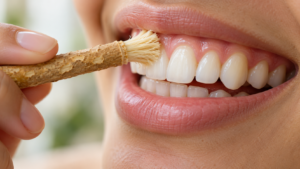
- Soft, fibrous wood. Chew the end of a fresh twig, and it frays into fine, flexible fibers that work exactly like bristles. Not every wood does this — many are too hard or splinter badly.
- Built-in cleaning compounds. The wood naturally contains silica (a mild abrasive), antibacterial agents, tannins, and trace fluoride — a genuine cleaning toolkit growing inside the stick. Our miswak benefits page breaks these down.
- A pleasant, useful taste. The wood has a warm, mildly peppery, mustard-like flavor that freshens the mouth as you brush.
- Availability where it’s needed. It grows in the very regions where it’s been the traditional oral-care tool for centuries.
That combination is why the World Health Organization has recognized chewing sticks from this tree as an effective oral hygiene tool. It isn’t folklore alone — the plant is genuinely well-designed for the job. If you want the deeper science, our post on miswak sticks for teeth goes further.
Which Part of the Tree Makes the Best Miswak?
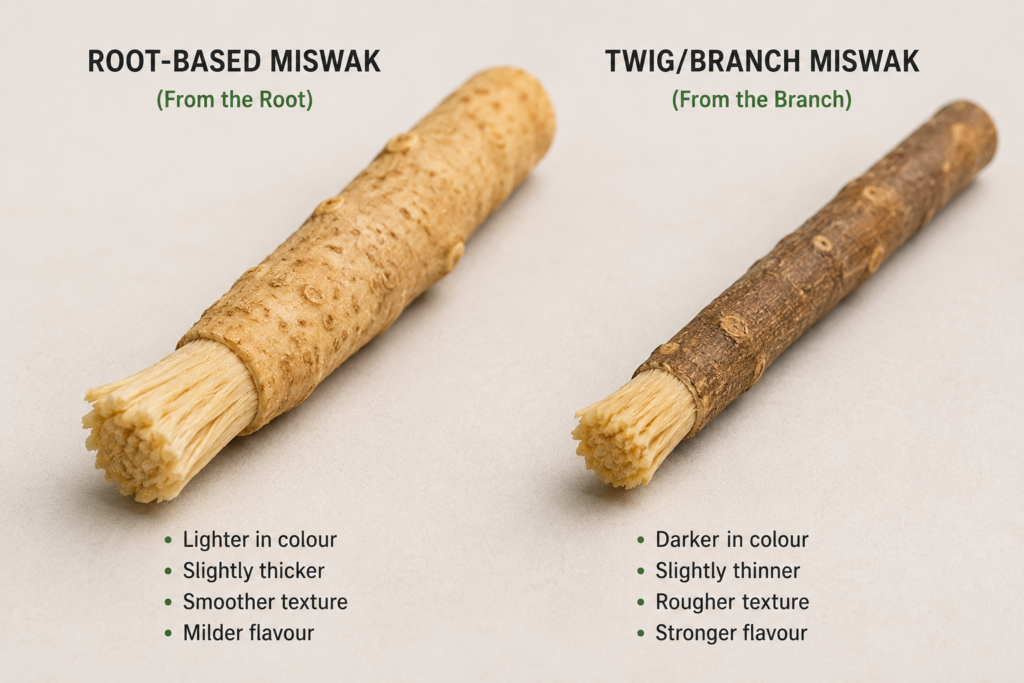
Here’s a detail most people don’t know: not all of the tree is equal for miswak. Three parts are used — roots, twigs, and small branches — but they aren’t identical.
- Roots are traditionally considered the finest. Root miswak tends to have a better taste, holds its moisture longer, and carries a rich concentration of the active compounds.
- Twigs and small branches are the most common and perfectly effective, easy to cut to the right thickness, and widely used every day.
Whichever part it’s from, freshness is what preserves those qualities — a stick that’s dried out loses its edge. Our guides on the best ways to keep miswak fresh and how to store miswak properly help you keep either kind at full strength.
Are There Other Trees Used for Miswak?
Historically, yes — in places where the Arak tree wasn’t available, people made chewing sticks from other trees such as neem, olive, walnut, and date palm. Some accounts even mention other plants being used in a pinch.
But there’s an important catch. These alternatives vary a lot in taste and safety — some are noticeably bitter, and not every tree’s wood is suitable or beneficial to chew. Salvadora persica remains the gold standard precisely because it’s proven, pleasant, and rich in the right compounds. A random twig from an unknown tree is not the same thing and can even be harmful. That’s exactly why sourcing genuine Arak miswak matters — a point we’ll come back to.
Worth remembering:
“Miswak” and “Salvadora persica” are used almost interchangeably for good reason. When people talk about the benefits of miswak, they’re really talking about the Arak tree. Sticks from other trees are chewing sticks too, but they don’t reliably deliver the same qualities.
Why the Source Tree Matters for You
This is the practical payoff of knowing where miswak comes from. Everything good about a miswak — the fibres, the compounds, the taste, the cleaning power — comes directly from the tree it was cut from. Which means:
- A stick from genuine, fresh Salvadora persica gives you the full benefit the research points to.
- A stick from an unknown tree, or stale wood, may do little — or, in the worst case, cause harm.
- The region, harvesting, and freshness all influence how potent the final stick is.
So when you buy a miswak, you’re really buying a piece of a specific tree — and the quality of that tree and how it was handled decides what you get. When in doubt about where to buy authentic sticks, our guide on where to buy miswak sticks points you in the right direction.
Frequently Asked Questions
What is the miswak tree called?
Its scientific name is Salvadora persica. It’s commonly known as the Arak tree, the Peelu tree, and the “toothbrush tree” or “mustard tree” in English.
Is the miswak the same as the Arak tree?
Essentially, yes. Miswak is the chewing stick; Arak is the common name for the tree it comes from, Salvadora persica. The two terms are often used to mean the same thing.
Where does the miswak tree grow?
In hot, dry, and semi-arid regions across the Middle East, Africa, and South Asia — including Pakistan, India, Saudi Arabia, and much of the African dry belt. It even tolerates salty, coastal soils.
Can miswak come from other trees?
Chewing sticks have historically been made from neem, olive, walnut, and date palm, among others. But Salvadora persica is the traditional and preferred source because of its ideal fibres, compounds, and taste. Sticks from other trees aren’t equivalent and aren’t always safe.
Which part of the tree is the miswak made from?
From the roots, twigs, and small branches. Root miswak is traditionally prized for its taste and moisture retention, while twigs and branches are the most widely used.
Why is Salvadora persica called the toothbrush tree?
Because chewing the end of a fresh stick naturally frays it into soft, bristle-like fibres — a ready-made toothbrush, complete with its own cleaning compounds.
The Bottom Line
Miswak comes from the Salvadora persica tree — the Arak, or Peelu, tree — a small, tough evergreen that thrives in the dry lands of the Middle East, Africa, and South Asia. Its soft, compound-rich wood is what makes it “nature’s toothbrush,” and it’s why genuine miswak has been trusted for oral care for thousands of years.
The lesson underneath it all: the tree is everything. Authentic, fresh Salvadora persica is what delivers real results, and anything less simply isn’t the same product. If you’re a retailer, distributor, or wholesale buyer looking for genuine Arak miswak — sourced from real Salvadora persica and processed to proper standards — explore our miswak product range or get in touch with our team. Give your customers miswak from the tree that started it all.