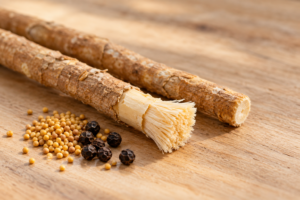
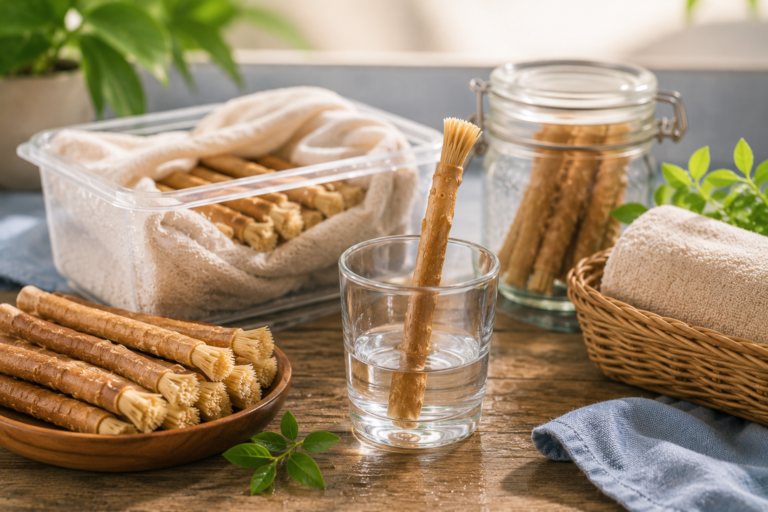
A miswak has one enemy, and it isn’t bacteria or bad technique. It’s time. From the moment a stick is cut from the Salvadora persica tree, it starts losing the moisture and essential oils that make it work. Your job is simply to slow that clock down — and the good news is that people have been doing exactly that for centuries with nothing fancier than water, cloth, and common sense.
This post goes deep on the four methods that actually work, when to use each one, and the small details that decide whether a method succeeds or quietly ruins your stick. If you want the full picture of storage — shelf life, spoilage signs, travel, humidity, and all — that lives in our complete guide on how to store miswak properly. This post zooms in on one piece of it: freshness methods.
First, Know Which Stick You’re Storing
Freshness methods split into two jobs, and mixing them up is where most people go wrong.
Your daily stick — the one currently in use — needs its bristles kept soft between brushings, with airflow so it never sours.
Your spare sticks — the rest of the bundle — need the whole stick paused: moisture locked in, oils protected, nothing touching the tip yet.
A method that’s perfect for one job can be terrible for the other. Soaking works for a daily tip; soak a spare bundle and you’ll waterlog the lot. Keep the two jobs separate in your head, and everything below falls into place.
Method 1: The Upright Cup (Best for Daily Use)
Stand your stick bristle-end down in a small cup holding about a centimeter of clean water — just enough to cover the chewed tip, no more.
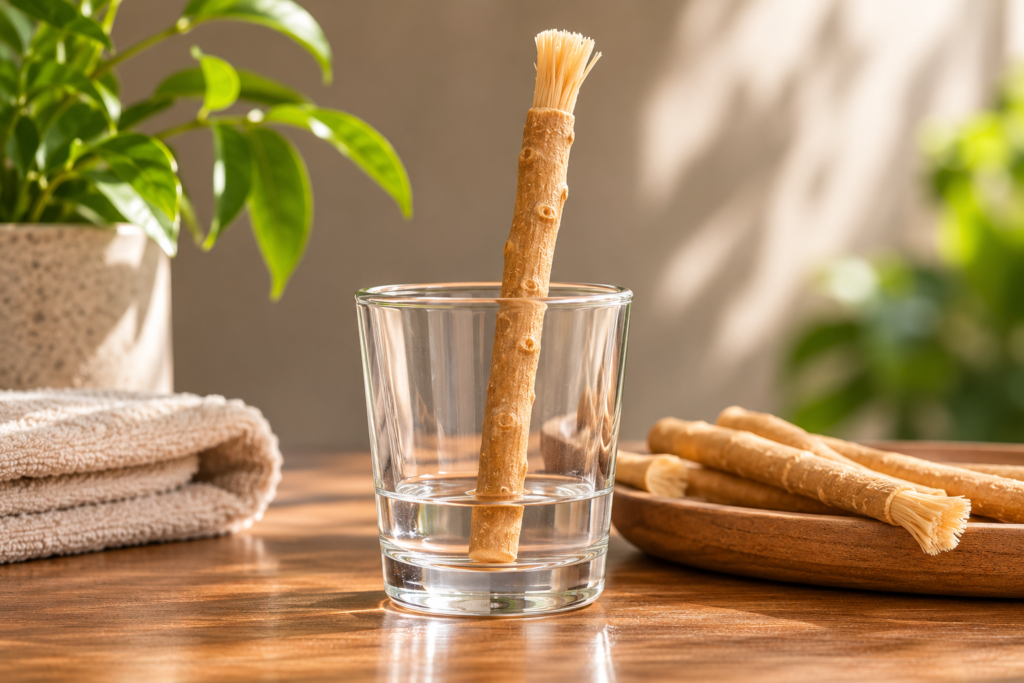
Why it works: the fibers at the tip drink what they need through the night, staying soft and flexible, while the dry shaft above the waterline keeps the stick from waterlogging. It’s self-regulating in a way full soaking never is.
The details that matter: change the water every day — stagnant water breeds exactly the bacteria you’re brushing to remove. Rinse the stick under running water after every use before it goes back in the cup; food particles left on the bristles are what make a stored stick turn sour. And keep the cup somewhere with steady air, ideally outside the bathroom.
Common slip-up: using a deep glass and filling it halfway. Now a third of your stick is submerged, and within days the wood goes mushy. One centimeter. That’s the whole trick.
Method 2: The Damp Wrap (The Traditional Way)
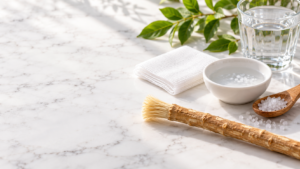
Rinse the stick, shake off the excess, and roll it in a clean, slightly damp cotton cloth or paper towel. Store it somewhere cool and shaded.
This is how travelers and traders kept miswak alive for centuries, and it still holds up. The damp cloth creates a small humid pocket around the stick without ever drowning it, and it works equally well for a daily stick or a couple of spares.
The details that matter: the cloth should be damp like a wrung-out towel, never dripping. Re-dampen it whenever it dries — daily in warm weather, every couple of days in mild conditions. And unwrap for a quick look every few days; a wrap you never check is a wrap you’ll eventually find fuzzy.
Common slip-up: wrapping a wet stick in a wet cloth and sealing the whole thing in a plastic bag with no air. That’s not storage, that’s a mold recipe. If a bag must be involved, leave it partly open.
Method 3: Refrigeration (Best for Opened Spares)
Wrap your unused sticks in a slightly damp cloth, put them in a breathable bag or a container with the lid cracked, and slide them into the vegetable drawer.

Cold is the closest thing to a pause button that home storage offers. It slows moisture loss and — just as important — slows the evaporation of the volatile oils that give miswak its antibacterial punch. A stick that would stiffen in two weeks on a shelf stays soft for one to three months in the fridge.
The details that matter: check weekly. If the cloth has dried out, re-dampen it. If you smell mustiness or see any fuzz on a stick, that stick goes in the bin — don’t let one bad stick sit against the rest. Keep the bundle away from strongly scented foods; miswak fibers absorb odors, and onion-flavored miswak is an experience nobody repeats.
Common slip-up: airtight containers. Cold slows mold; it doesn’t prevent it. The bag or box needs some airflow.
Method 4: Sealed or Frozen (Best for Stockpiles)
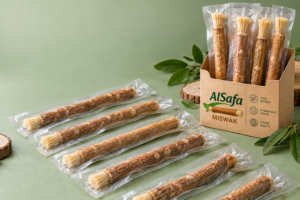
If your sticks arrived vacuum-sealed, the best storage method is the simplest one imaginable: don’t open them. A properly sealed peelu stick holds its moisture and potency for six to twelve months at room temperature and longer refrigerated. The seal was applied at harvest precisely so the stick never meets open air until you’re ready — which is why sealed packaging is worth insisting on when you buy, and why suppliers invest in proper packaging systems in the first place. Open one stick at a time, and only when its predecessor retires.
Bought loose sticks in bulk? The freezer gets you most of the way there. Wrap each stick individually in cloth or paper, bag them airtight, and freeze. Six months later they’ll thaw into surprisingly usable shape.
The details that matter: thaw at room temperature for a few hours — never the microwave, never hot water, both of which cook the oils out. And freeze sticks individually; a frozen clump of ten sticks means thawing all ten when you want one.
Which Method Should You Use?
Match the method to the stick’s job:
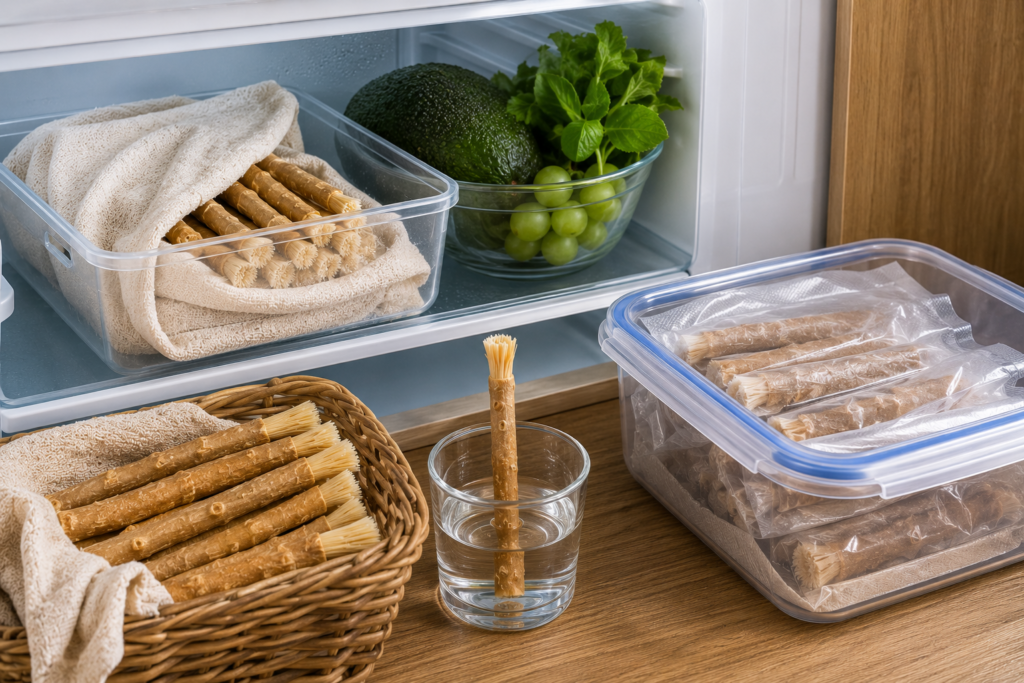
Today’s stick: an upright cup or a damp wrap if you prefer no open water sitting around. This month’s sticks are damp-wrapped in the fridge. Everything beyond that is sealed until needed or individually frozen.
Run all three tiers at once, and you’ll always have a soft, potent stick ready — the daily one in its cup, the next few waiting in the fridge, and the reserves sealed in a drawer. It sounds elaborate written out; in practice, it’s about two minutes of effort a week.
One Habit That Beats Every Method
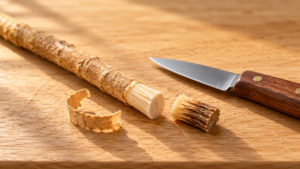
Whatever you choose, trim the chewed tip every two to three days and expose fresh fiber. No storage method keeps used bristles soft forever — they harden and fray from brushing itself, not from bad storage. Fresh tip, fresh bristles, fresh compounds. The best-stored miswak in the world still needs this one habit to actually feel fresh in your mouth.
Frequently Asked Questions
What’s the single best way to keep miswak fresh? For a stick in daily use: upright in a small cup with about a centimeter of water covering the tip, refreshed daily. For spares: damp-wrapped in the fridge. For long-term reserves: vacuum-sealed or frozen.
Can I keep my miswak fresh without a fridge? Yes — the damp wrap method is fridge-free and has worked for centuries. Re-dampen the cloth regularly and check it every few days. Sealed sticks also need no refrigeration at all.
How often should I change the water in the cup? Daily. Stagnant water defeats the purpose of an antibacterial stick.
Does keeping miswak fresh also keep it effective? Largely, yes. Moisture and the active oils tend to decline together — a stick that feels soft and tastes peppery is almost always still potent. When the taste flattens to plain wet wood, the oils are fading regardless of texture.
The Bottom Line
Keeping miswak fresh comes down to matching the method to the moment: a cup for the stick in your hand, the fridge for the sticks on deck, and a seal or freezer for the rest — plus a two-minute weekly check and a trimmed tip every few days. Simple habits, centuries old, and they turn a two-week stick into a months-long supply.