Introduction
Oral hygiene has always been an essential part of human health, but long before modern toothpaste and plastic toothbrushes existed, people relied on natural tools to clean their teeth. One of the most effective and time-tested natural dental tools is the Miswak.
The Miswak is not just a traditional cleaning stick—it is a scientifically recognized, eco-friendly, and spiritually significant oral care tool used for centuries across Islamic, African, and Middle Eastern cultures. Today, it is gaining global attention again due to rising awareness about natural living and chemical-free healthcare.
In this detailed guide by Al Safaa Miswak, we will explore:
- What Miswak is
- Its historical and Islamic importance
- Proven health benefits
- Scientific evidence behind it
- Proper usage techniques
- Comparison with modern toothbrushes
- Why it is still relevant today
What is a Miswak?
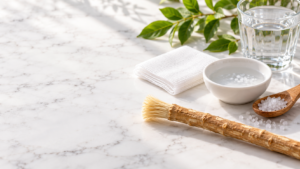
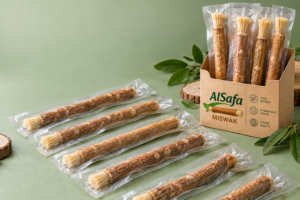
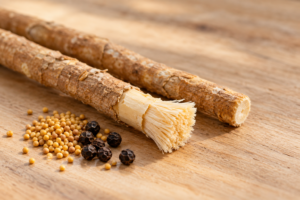
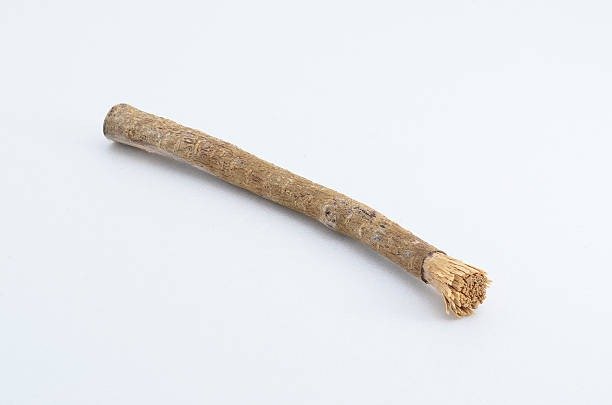
A Miswak (also spelled Siwak or Sewak) is a natural teeth-cleaning twig obtained from the Salvadora persica tree, commonly known as the “toothbrush tree.”
It is used by chewing one end of the stick until it becomes brush-like fibers, which are then used to clean teeth, gums, and tongue.
Unlike modern toothbrushes, Miswak does not require toothpaste. It naturally contains:
- Antibacterial agents
- Natural fluoride
- Silica (for cleaning and polishing teeth)
- Essential oils that freshen breath
- Tannins that reduce gum inflammation
This makes Miswak a complete natural oral hygiene system.
Historical Importance of Miswak
Miswak has been used for over 7,000 years, making it one of the oldest dental cleaning tools in human history.
Ancient civilizations including:
- Babylonians
- Egyptians
- Greeks
- Romans
- Islamic societies
used chewing sticks for oral hygiene.
However, Miswak gained special significance in Islamic tradition. The Prophet Muhammad (ﷺ) emphasized its use repeatedly, making it a highly recommended Sunnah practice.
Miswak in Islamic Tradition (Sunnah)
In Islam, cleanliness is considered half of faith. Miswak holds a respected place in Islamic teachings because of its spiritual and hygienic importance.
The Prophet Muhammad (ﷺ) said:
“If I had not feared burdening my الأمة (followers), I would have ordered them to use Miswak before every prayer.”
This Hadith highlights the importance of Miswak in daily life.
Islamic Benefits of Miswak:
- Encouraged before prayers (Salah)
- Recommended before reciting the Quran
- Used before sleeping and after waking
- Promotes cleanliness and purity
- Considered a Sunnah practice
Muslims around the world still use Miswak as part of their daily spiritual and physical hygiene routine.
Scientific Benefits of Miswak (Evidence-Based)
Modern research has validated many traditional claims about Miswak. Studies show that Miswak has strong antibacterial and oral health properties.
1. Natural Antibacterial Properties
Miswak contains compounds that kill harmful bacteria responsible for:
- Tooth decay
- Gum infections
- Bad breath
It reduces plaque formation naturally without chemicals.
2. Prevents Tooth Decay
The natural fluoride and silica in Miswak help strengthen enamel and prevent cavities. Regular use significantly reduces tooth decay risk.
3. Improves Gum Health
Miswak stimulates gums and improves blood circulation, which helps in:
- Reducing gum bleeding
- Preventing gingivitis
- Strengthening gum tissues
4. Freshens Breath Naturally
Unlike chemical mouthwashes, Miswak removes bad breath at its source by eliminating bacteria rather than masking odor.
5. Whitens Teeth Naturally
The gentle abrasive texture of Miswak helps remove stains from teeth, resulting in a naturally cleaner and brighter smile.
6. Balances Oral pH
Miswak helps maintain a healthy pH level in the mouth, reducing acidity that causes tooth decay.
Key Nutrients Found in Miswak
Miswak is rich in natural bioactive compounds:
- Fluoride – strengthens enamel
- Silica – removes stains and plaque
- Vitamin C – supports gum health
- Calcium – strengthens teeth
- Alkaloids – antibacterial effect
- Essential oils – fresh breath
This natural combination makes Miswak a complete oral care solution.
How to Use Miswak Properly
Using Miswak correctly is important to maximize its benefits.
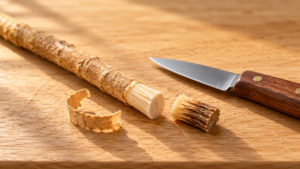
Step 1: Cut and Prepare
Cut about 1–2 cm from one end of the stick.
Step 2: Soak in Water
Soak it in water for a few hours or chew gently until it becomes soft.
Step 3: Create Brush Fibers
Chew the end until fibers form like a brush.
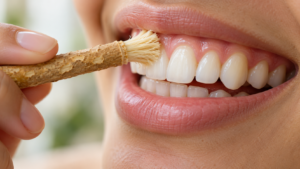
Step 4: Brush Teeth
Use gentle circular motions on teeth and gums.
Step 5: Clean Regularly
Rinse after use and cut off worn fibers every few days.
Best Time to Use Miswak
For best oral health results, Miswak can be used:
- Before each prayer (Sunnah practice)
- After waking up
- Before sleeping
- After meals
- When traveling
Frequent use improves overall dental hygiene.
Miswak vs Modern Toothbrush
Miswak Advantages:
- 100% natural
- No chemicals or toothpaste needed
- Portable and eco-friendly
- Cost-effective
- Spiritually rewarding in Islam
- Antibacterial properties
Toothbrush Advantages:
- Easier for beginners
- Can reach deep molars with design
- Works well with toothpaste and fluoride gel
Key Difference:
Miswak is a natural, self-contained oral care system, while toothbrushes depend on external toothpaste for full effectiveness.
Many dentists now recommend combining both for best results.
Environmental Benefits of Miswak
In an age of plastic pollution, Miswak offers an eco-friendly solution.
- No plastic waste
- Biodegradable
- Sustainable harvesting
- No chemical manufacturing
Switching to Miswak reduces environmental impact significantly.
Who Should Use Miswak?
Miswak is suitable for:
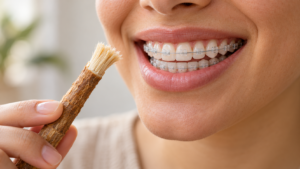
- Adults and children
- People with sensitive gums
- Travelers (portable hygiene tool)
- Individuals seeking natural products
- Those following Islamic Sunnah practices
It is generally safe for daily use.
Common Mistakes to Avoid
To get the best results:
- Do not use dry Miswak (always soften first)
- Avoid harsh brushing pressure
- Replace worn fibers regularly
- Do not store in dirty environments
- Keep it clean after use
Proper usage ensures long-term dental benefits.
Why Choose Al Safaa Miswak?
At Al Safaa Miswak, we focus on providing:
- High-quality natural Miswak sticks
- Fresh and hygienically packed products
- Authentic Salvadora persica sourcing
- Pure, chemical-free oral care solutions
- Our mission is to promote natural dental wellness inspired by tradition and supported by science.
Final Thoughts
Miswak is more than just a toothbrush alternative—it is a powerful natural oral care solution backed by centuries of tradition and modern science. Its antibacterial properties, dental benefits, and spiritual importance make it unique in the world of oral hygiene.
Incorporating Miswak into daily life can improve dental health naturally while also following a Sunnah practice that has been valued for generations.
Whether you are looking for a chemical-free lifestyle, stronger oral health, or a connection to Islamic tradition, Miswak is a simple yet highly effective solution.
Frequently Asked Questions (FAQ)
1. Is Miswak better than toothpaste?
Miswak is a natural alternative with strong antibacterial benefits, but both can be used together for best results.
2. Can children use Miswak?
Yes, Miswak is safe for children under supervision.
3. How long does a Miswak last?
A stick can last 1–2 weeks depending on usage.
4. Does Miswak remove bad breath?
Yes, it eliminates bacteria that cause bad breath naturally.
5. Is Miswak scientifically proven?
Yes, multiple studies confirm its antibacterial and oral health benefits.