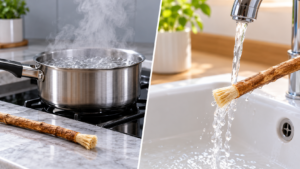
No, you shouldn’t boil a miswak or try to sterilize it. Boiling water, microwaves, bleach, and alcohol can crack the wood and destroy the natural compounds that make miswak work. You also don’t need to. Rinsing the tip with clean water, letting it air-dry, and trimming it back to fresh wood every day or two keeps a miswak clean. If a stick ever smells musty or shows mould, throw it away and start a new one.
It’s easy to see why people ask. We boil baby bottles, soak retainers, and sanitise toothbrushes, so it seems natural to do the same with a miswak. But a miswak isn’t plastic. It’s living wood, and it needs a gentler kind of care. This guide explains why heat and chemicals do more harm than good, what to do in common situations, and how to keep your stick clean the easy way.
Why Shouldn’t You Boil a Miswak?
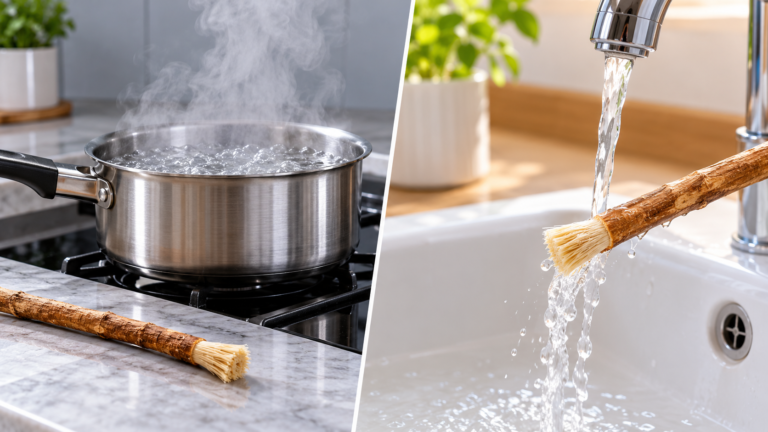
Boiling seems like the obvious way to kill germs, but it causes three problems with a miswak.
It destroys the good stuff. Miswak’s peppery taste and germ-fighting power come from natural compounds in the wood. These compounds escape easily, which is why an old stick slowly loses its bite. Heat makes this happen much faster. A boiled miswak may look fine, but it will taste like plain wood and clean like an ordinary twig. Here’s more on what the taste of your miswak tells you.
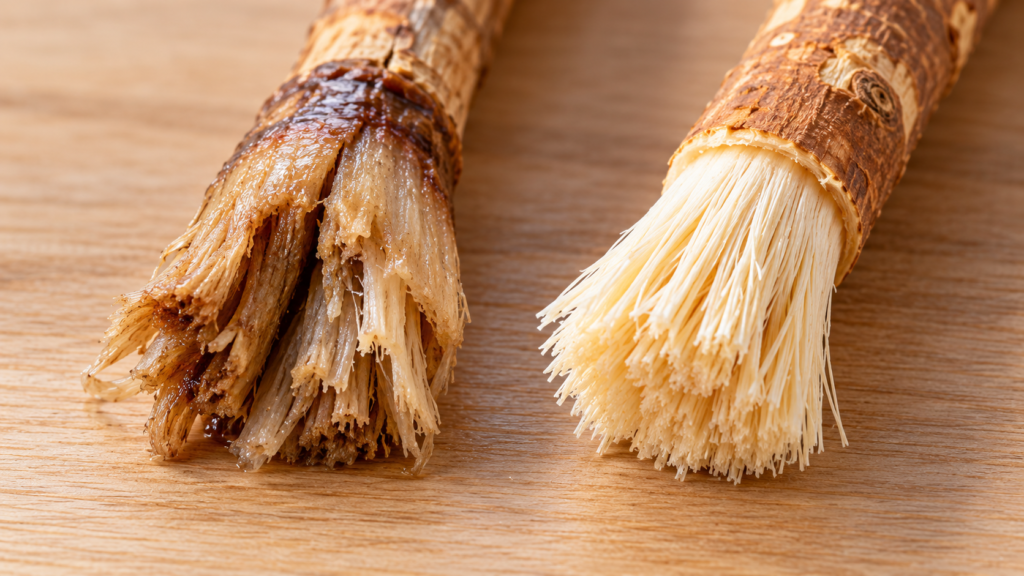
It damages the wood. Hot water makes wood swell quickly, and as it dries again, it can crack or split. The soft fibers at the tip can also turn mushy instead of forming firm bristles.
It can make mold more likely. A stick that has been soaked through takes a long time to dry. Wood that stays wet inside is exactly where mould likes to grow.
Can You Sterilize a Miswak at All?
Not really, and that’s okay. Wood is full of tiny pores, so it can’t be made completely germ-free the way metal or glass can. Even hospitals don’t try to sterilize wooden items.
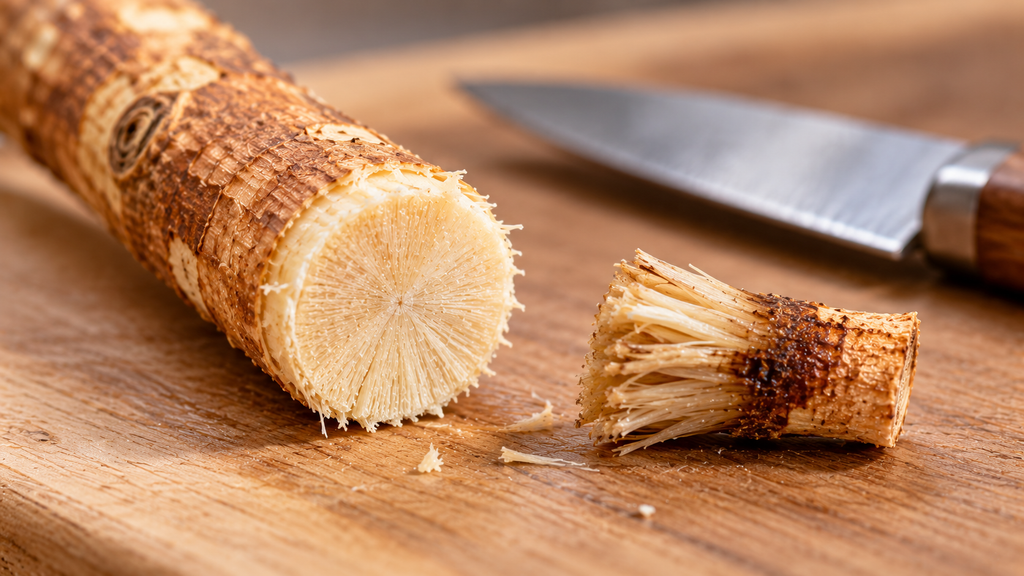
The good news is that you don’t need to. A miswak has a built-in “reset button”: trimming. When you cut off the used tip, you remove the part that has been in your mouth and expose clean, fresh wood underneath. That fresh layer also releases new natural compounds that help fight bacteria. Our guide on trimming a miswak back to fresh wood shows you how much to cut.
What About Other Cleaning Methods?
Here’s a quick guide to the methods people often ask about:
| Method | Safe? | Why |
|---|---|---|
| Rinsing with clean, room-temperature water | Yes | Washes away food and loose bits without harming the wood. |
| Trimming the tip | Yes | Removes used fibers and exposes clean, fresh wood. |
| Boiling water | No | Destroys natural compounds and can crack the wood. |
| Very hot tap water | No | Same problem as boiling, just slower. |
| Microwave | No | Heats unevenly and can scorch or crack the stick. |
| Dishwasher | No | Heat and detergent soak into the wood. |
| Bleach or disinfectant | No | Chemicals soak in, and you’d be putting them in your mouth. |
| Rubbing alcohol or hydrogen peroxide | No | Dries out the fibers and leaves a harsh taste. |
| Dipping in mouthwash | Not needed | It won’t hurt once, but it adds nothing and can dry the stick. |
| Vinegar | No | It’s acidic, tastes unpleasant, and isn’t good for your enamel. |
| Leaving it in hot sun | No | Dries the stick out too fast and makes it brittle |
The simple rule: water at room temperature, a clean blade, and fresh air. That’s all a miswak needs.
How Should You Clean a Miswak Every Day?
Daily care only takes a minute:
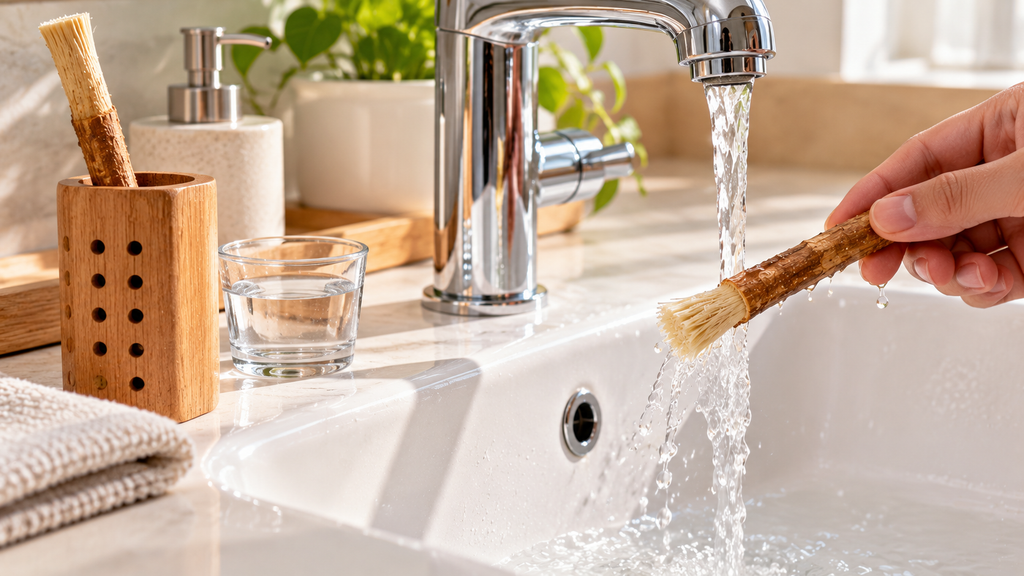
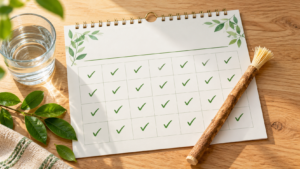
- Rinse the tip under clean, room-temperature running water after each use.
- Shake off the extra water.
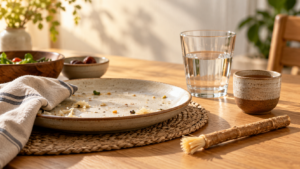
- Store it upright with airflow. Either let it air-dry in a ventilated holder, or stand it tip-down in a small cup of clean water, changing the water daily.
- Trim the tip every day or two to keep the bristles fresh.
You can find the full routine in our guide to using miswak the right way. How you store it between uses matters too. A wet stick sealed in a bag or closed box is far more likely to grow germs than one kept in the open air. Our simple miswak storage guide covers the best ways to keep it.
What Should You Do in Common Situations?
Most worries about miswak hygiene come up in a few everyday moments. Here’s what to do:
You dropped it on the floor
Rinse it well under running water, then trim off one to two centimetres from the tip. If it landed somewhere really dirty, like a bathroom floor or outside, it’s safest to start a new stick.
You’ve been ill with a cold or flu
Trim the tip generously once you’re feeling better. If you were very unwell, or you’re not sure, replace the stick. Miswak is cheap, and starting fresh is the easiest way to avoid passing germs back to yourself.
You’ve had a cold sore
Replace the stick. The virus behind cold sores spreads through saliva, so it’s not worth the risk.
Someone else used your miswak
Trim at least one to two centimetres off the tip, rinse it well, and replace it if the other person was unwell. A miswak is a personal item, just like a toothbrush.
You left it lying around for a few days
Give it a smell. If it smells fresh and woody, rinse it, soak the tip in room-temperature water if it’s dry, and trim to fresh wood. If it smells musty or sour, throw it away.
You just opened a new, sealed stick
No cleaning needed. Factory-sealed sticks are clean inside their packaging. Just peel back about a centimeter of bark, soften the tip, and start using it.
When Should You Throw a Miswak Away Instead?
Cleaning can’t save every stick. Throw it away straight away if you notice:
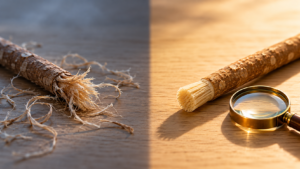
- a musty, sour, or moldy smell
- white fuzz, green spots, or dark patches on the wood
- a stick that keeps splintering even after soaking and trimming
- a stick that’s too short to hold comfortably
Don’t try to boil or soak a moldy stick back to health. Mould spreads inside the wood, not just on the surface. A dirty or badly stored stick is also one of the most common causes of miswak side effects. For a full checklist, see the signs it’s time for a new miswak.
Why Do Sealed Sticks Matter for Hygiene?
The cleanest miswak is one that’s been kept clean from the start. Individually sealed sticks are protected from dust, moisture and handling until the moment you open them, so there’s nothing to clean except the bark you peel away.
That’s especially useful for families, travelers, mosques and shops, where sticks might otherwise sit out in the open. If you stock miswak for customers, individually sealed miswak tooth sticks are the most hygienic option to offer.
Frequently Asked Questions
Can I boil a miswak to clean it?
No. Boiling destroys the natural compounds that make miswak work and can crack the wood. Rinse it with room-temperature water and trim it instead.
How do you disinfect a miswak?
You don’t need to disinfect it. Rinse the tip after each use, let it air-dry, and trim it back to fresh wood every day or two. If it’s been badly contaminated, replace it.
Can I put a miswak in the microwave?
No. A microwave heats the wood unevenly and can scorch or crack it. It also damages the natural compounds inside.
Can I soak my miswak in mouthwash?
It isn’t needed. A quick dip won’t hurt, but it adds nothing to the cleaning and can dry out the fibers. Plain water is best.
Is it okay to rinse a miswak with hot water?
Use room-temperature water instead. Hot water speeds up the loss of the stick’s natural compounds and can damage the fibers.
What should I do if I drop my miswak?
Rinse it well and trim one to two centimeters off the tip. If it fell somewhere very dirty, replace it.
Should I clean a new miswak before using it?
A new, sealed stick doesn’t need cleaning. Just peel back about a centimeter of bark, soften the tip, and start using it.
The Bottom Line
You can’t sterilize a miswak, and you don’t need to. Boiling, microwaving, and harsh chemicals only damage the wood and destroy the natural compounds that make it work. Instead, rinse the tip with room-temperature water, let it air-dry with good airflow, and trim it back to fresh wood every day or two. If a stick ever smells musty or shows mold, throw it away and start a new one.